Textile recovery is not only about protecting the environment; it can also preserve traditional skills, support livelihoods and create opportunities for women.
Africa Collect Textiles was featured by Tufts University’s Tisch College Global Programs following an interview between members of the Women in International Relations research group and ACT’s Leah Simmons Wood during their visit to Nairobi.
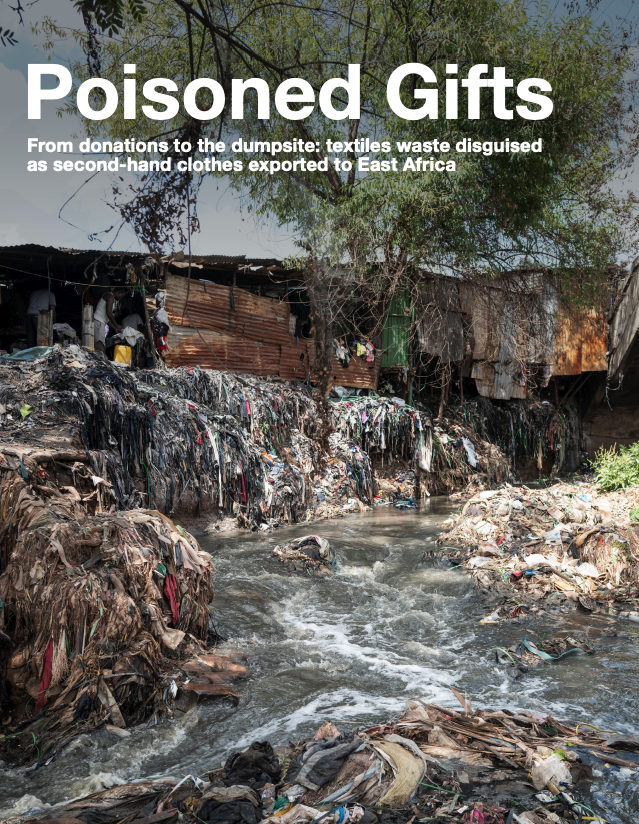
The feature highlighted ACT’s approach to ensuring that collected textiles remain in use for as long as possible. Wearable clothing is redirected into local second-hand markets, while textiles that cannot be resold in their original form are transformed into new products.
It also explored how ACT works with women artisans by supplying recovered textile materials for basket weaving. This approach supports income-generating opportunities while preserving local craft traditions and preventing valuable materials from becoming waste.
Why this Matters
Women play an important role in building sustainable communities, yet their contributions to circular systems are often overlooked. By connecting textile recovery with women’s artisanal knowledge, ACT demonstrates how environmental action can also support livelihoods, strengthen local skills and preserve cultural practices.
The feature also brings ACT’s work into an international academic conversation about the relationship between women, sustainability and the environment. It shows that circularity is not only about managing waste; it is also about creating economic and social value within communities..