Beyond the Wardrobe: Following the Afterlife of Waste
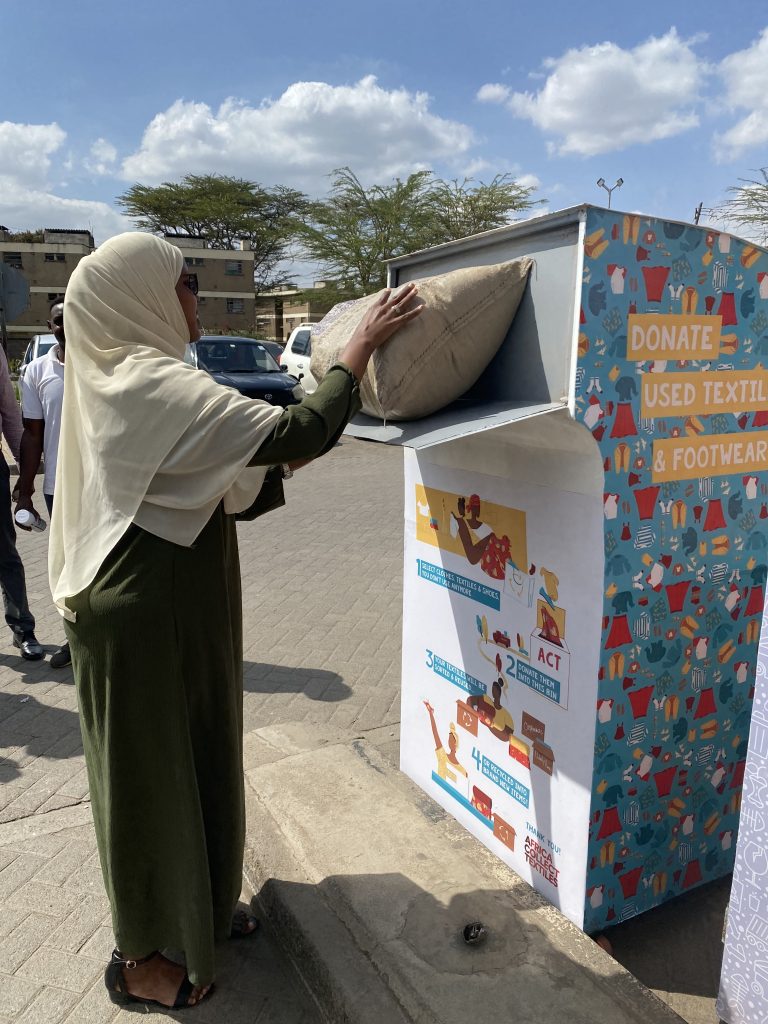
What happens to our clothes after we no longer want them?
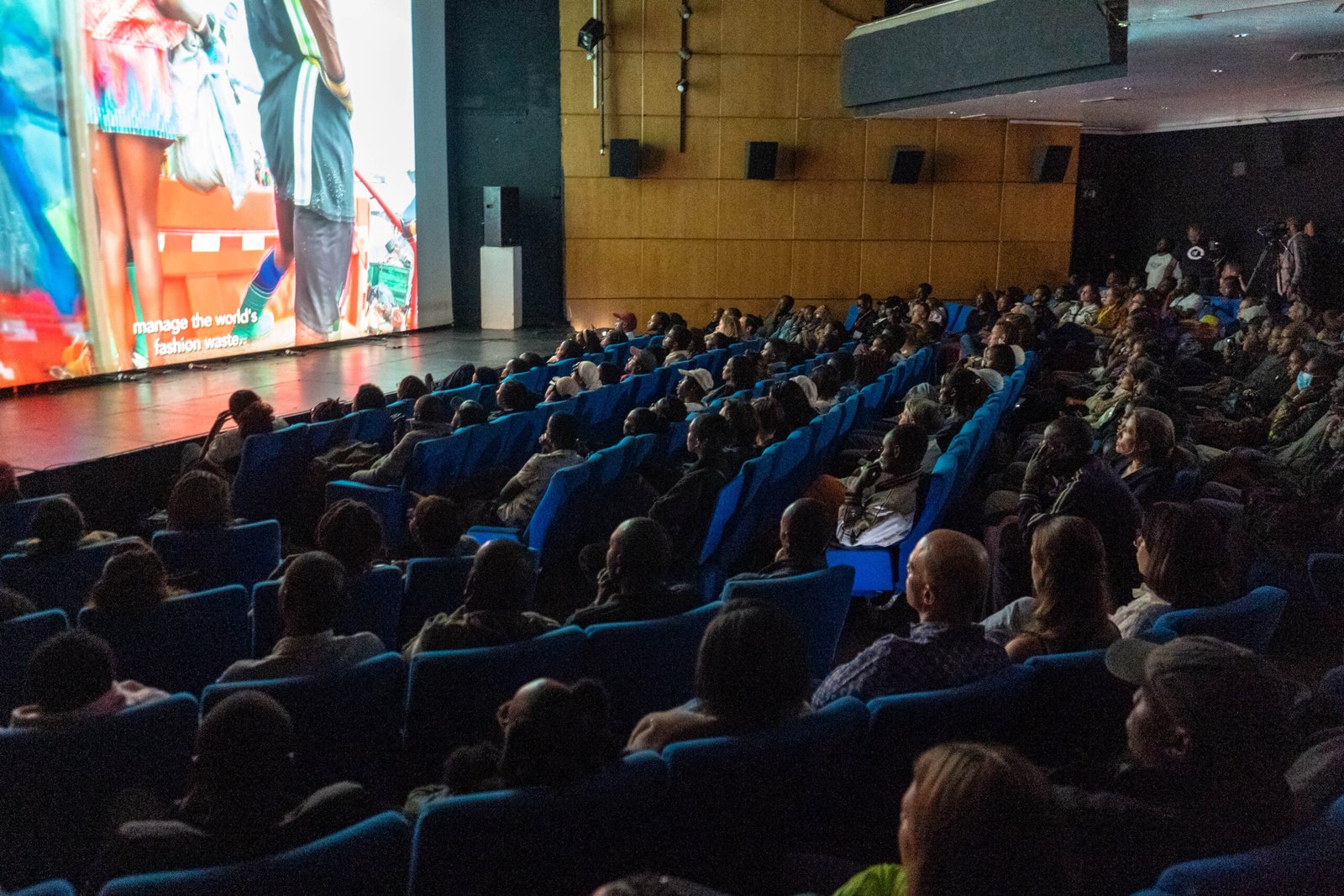
On World Environment Day, Africa Collect Textiles brought this important question to life at Alliance Française Nairobi through the feature film The Afterlife of Waste, developed in partnership with Unplug Africa and Janet Chemitei.
ACT was featured in the film, which followed the journey of second-hand clothing across continents and examined the environmental and social challenges linked to overproduction, poor-quality imports and the growing amount of textile waste reaching African markets.
Alongside the film screening, ACT presented a textile-waste installation developed in partnership with artist Eperu Magala. The installation provided a creative and visual interpretation of textile waste, encouraging audiences to see discarded clothing not simply as rubbish but as material with the potential for recovery and transformation.
The World Environment Day programme also included a panel discussion and an exhibition of products made from recovered textiles. Together, the film, installation and exhibition demonstrated how unwanted clothing can be reused, upcycled or transformed into new materials and products.
The event and ACT’s work were featured in The Star, bringing wider attention to the journey of mitumba; from its arrival in Kenya and use in our wardrobes to what happens when it can no longer be worn.
Why this Matters
Second-hand clothing supports livelihoods and extends the useful life of garments. However, when poor-quality or non-wearable textiles enter Kenya without adequate recovery systems, much of the material risks ending up in dumpsites.
The film, installation and exhibition made this often-hidden journey visible. By combining storytelling, art and practical circular solutions, the event created space for communities, businesses, policymakers and fashion practitioners to reflect on consumption, textile imports and waste management.
It also demonstrated that textile waste is not only an environmental challenge; it can become a source of creativity, innovation and green livelihoods. With stronger partnerships, better collection systems and investment in recycling infrastructure, unwanted textiles can be transformed into valuable materials and products.
Related Posts

New Partnership Between ACT and Zola Afrique

ACT Selected for the E4Impact Accelerator Programme