ACT is featured by UNSSC for driving practical, community-led circular solutions that keep textiles in use and cut waste in Kenya.
ACT Featured by UNSSC
Africa Collect Textiles has been featured in a new UNSSC article on the circular shift happening in high-impact sectors around the world. The piece highlights how organisations are rethinking waste and rebuilding systems that work for people and the planet — including the work we do here in Kenya.
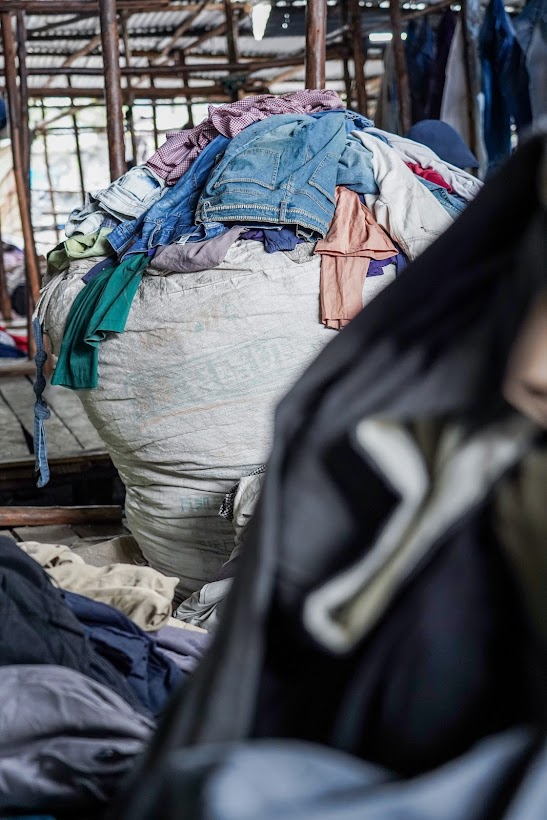
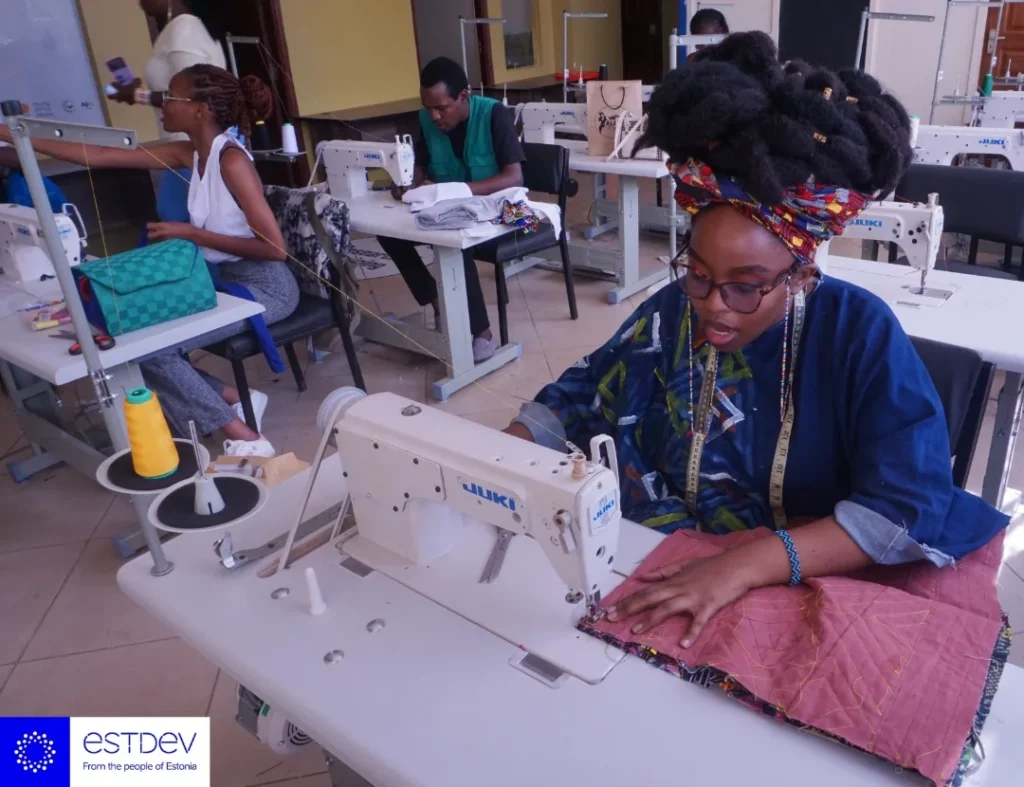
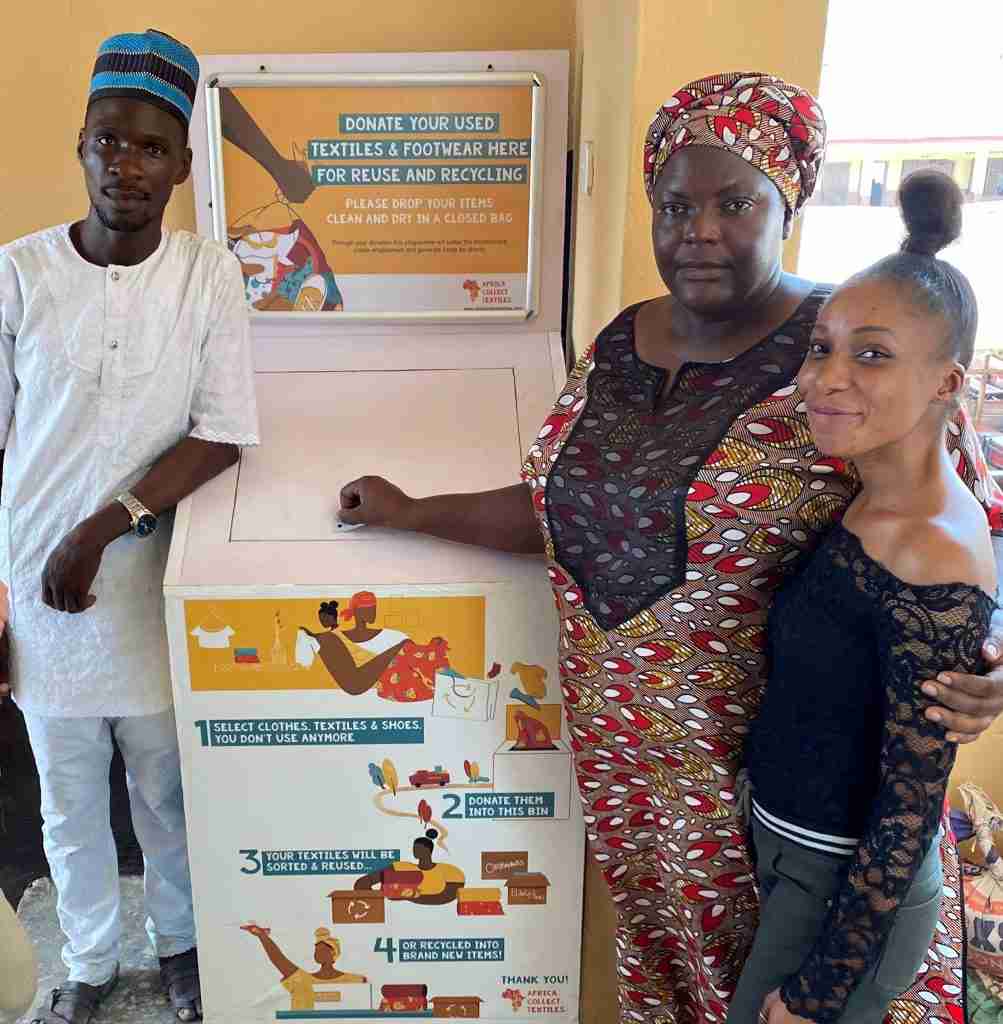
At ACT, we collect post-consumer textiles and footwear from drop-off points and door-to-door pickups. Everything we recover is sorted by hand for reuse, resale, or upcycling. Some pieces become affordable second-life clothing. Others are turned into new products with local artisans. All of it stays in circulation for as long as possible.
The article recognises the growing challenge of textile waste in Kenya and the importance of practical, community-driven solutions. It also points to what still needs to change: better product design, shared responsibility across borders, and stronger frameworks like Extended Producer Responsibility (EPR) to support the work on the ground.
Weaving Sustainability and Women’s Empowerment Together
September 17, 2026
ACT was featured by Tufts University for its work connecting textile recovery with women’s empowerment, sustainable livelihoods and the preservation of local basket-weaving traditions.
Learning to See Waste Differently: Students Turn Textiles into Possibility
September 18, 2026
The Borgen Project featured ACT as a leading force in Kenya’s circular textile economy, showing how discarded clothing can create new products, green jobs and income opportunities particularly for women and young people. The article was written by Abisola Oladipupo, who is based in Hatfield, UK, and focuses on Good News for The Borgen Project.
Feasibility Study ACT Nigeria
May 12, 2022
ACT conducted a feasibility study in Lagos to explore how a local textile collection and recycling model could reduce waste and build a circular system for Nigeria.
Scroll to Top
Need help?
Hello! Thank you for your interest in our sustainable textile products!
Do you have a question about a product or would you like to place an order? Let us know. We are happy to discuss the details for delivery or pickup together.