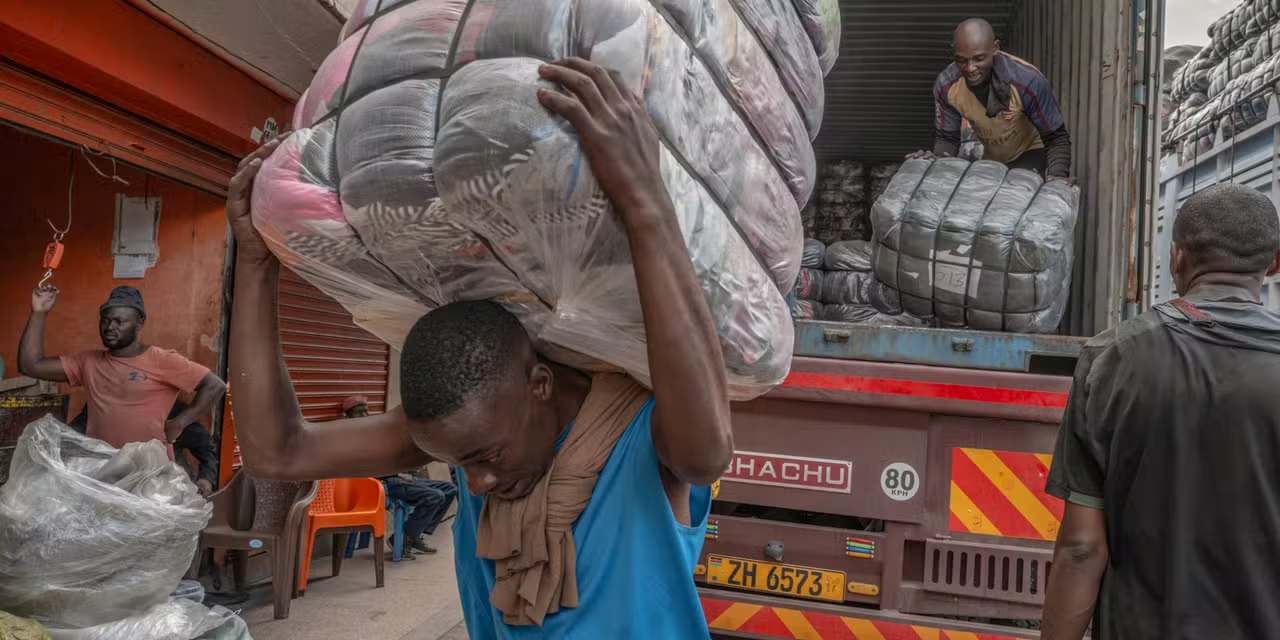
Kenya, a final destination for fast fashion, is overwhelmed by secondhand clothing
ACT is featured in Le Monde for turning unsellable textiles into new products and livelihoods, showing how local action can redefine circularity in the face of a global waste crisis.
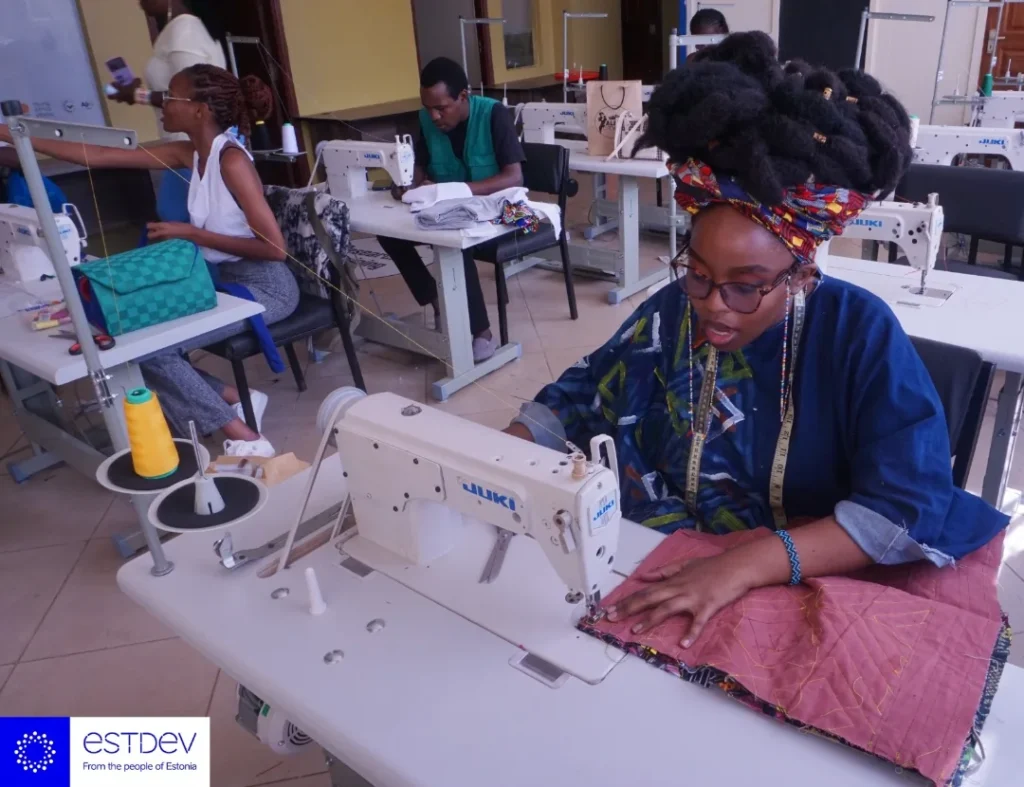
Africa Collect Textiles was cited in Le Monde for providing a model of hope amid this flood of waste. By collecting salvaged yet unsellable textiles locally, even from Gikomba vendors, we repurpose and upcycle them into products like uniforms, rugs, and bags. This isn’t just recycling, it’s cultivating livelihoods and local craftsmanship in a circular economy.
Why This Matters—and What Needs to Change
This article reminds us that Kenya is at the frontline of textile pollution. Yet, solutions cannot come from within alone. For real transformation, there must be shared accountability between exporting brands, global regulators, and recipient communities. ACT is part of a broader ecosystem of change—providing scalable systems of collection, sorting, upcycling, and advocacy, all while pushing for Extended Producer Responsibility (EPR) frameworks to ensure brands pay their fair share.  
Why ‘trash for cash’ mindset risks hurting Kenya’s circular economy
September 17, 2026
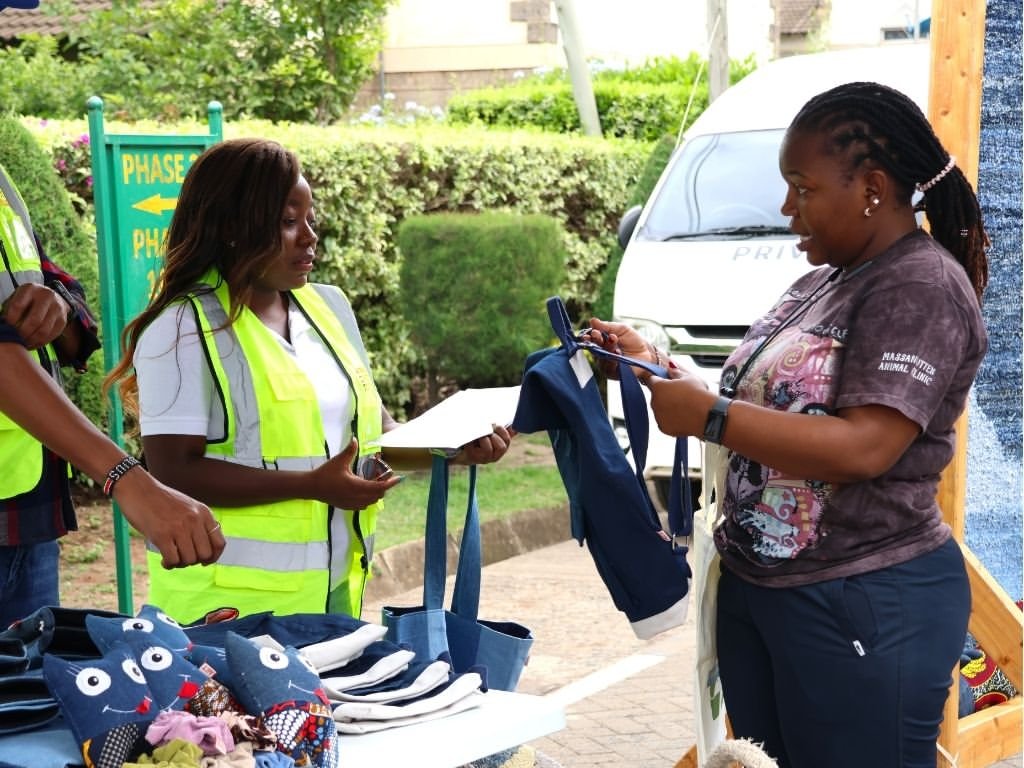
Featured in ‘The Standard’, ACT’s community collection drive with EPROK at Baraka Estate highlighted how partnerships, public awareness and investment in recycling infrastructure can help build a sustainable and commercially viable circular textile economy in Kenya.
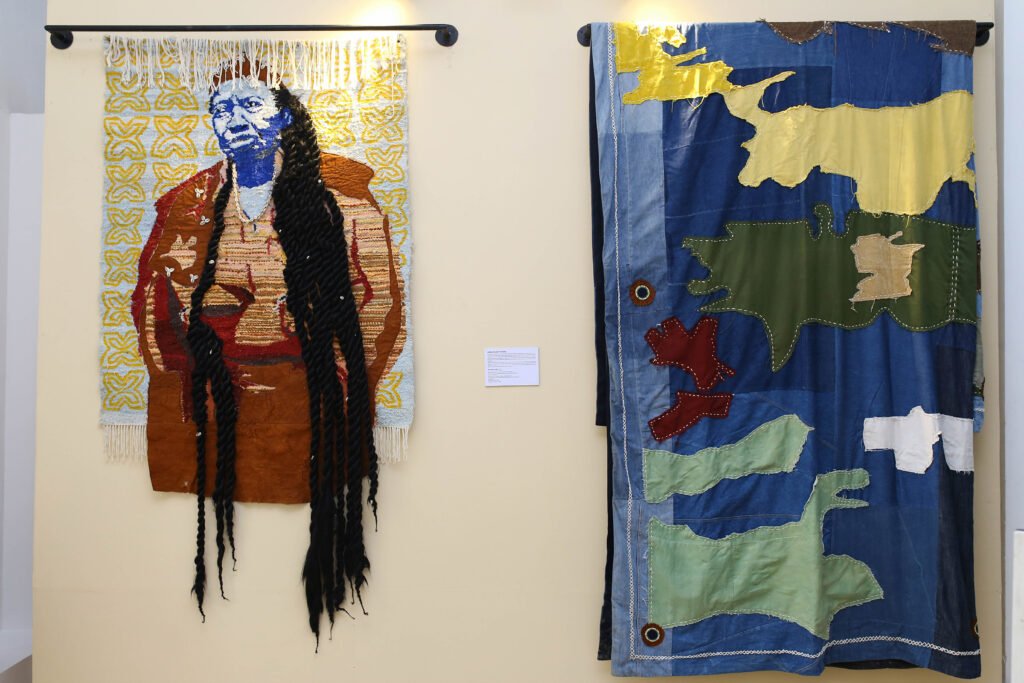
From Nairobi to Lagos: ACT at Woven Threads VII
September 17, 2026
From Nairobi to Lagos, ACT joined leading African circular fashion innovators at Lagos Fashion Week’s Woven Threads VII: CRAFTED, presented in partnership with Sunny Dolat and Eperu Magala.
Learning to See Waste Differently: Students Turn Textiles into Possibility
September 18, 2026
The Borgen Project featured ACT as a leading force in Kenya’s circular textile economy, showing how discarded clothing can create new products, green jobs and income opportunities particularly for women and young people. The article was written by Abisola Oladipupo, who is based in Hatfield, UK, and focuses on Good News for The Borgen Project.
Scroll to Top
Need help?
Hello! Thank you for your interest in our sustainable textile products!
Do you have a question about a product or would you like to place an order? Let us know. We are happy to discuss the details for delivery or pickup together.