Greenpeace Germany Reports on Imported Textile Waste
Greenpeace Germany’s new report examines the rise of imported textile waste in East Africa and highlights ACT’s role in local recovery efforts.
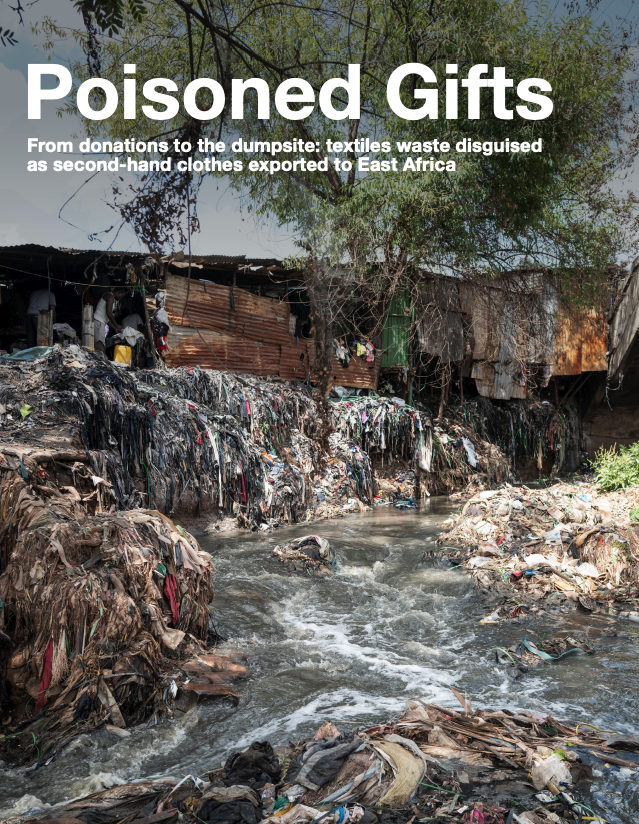
Greenpeace Germany has released a new report examining the growing problem of imported textile waste in Kenya and Tanzania. The publication follows an earlier Greenpeace report explaining why self-regulation in the fashion industry falls short, and continues to question the circularity claims made by global fashion brands.
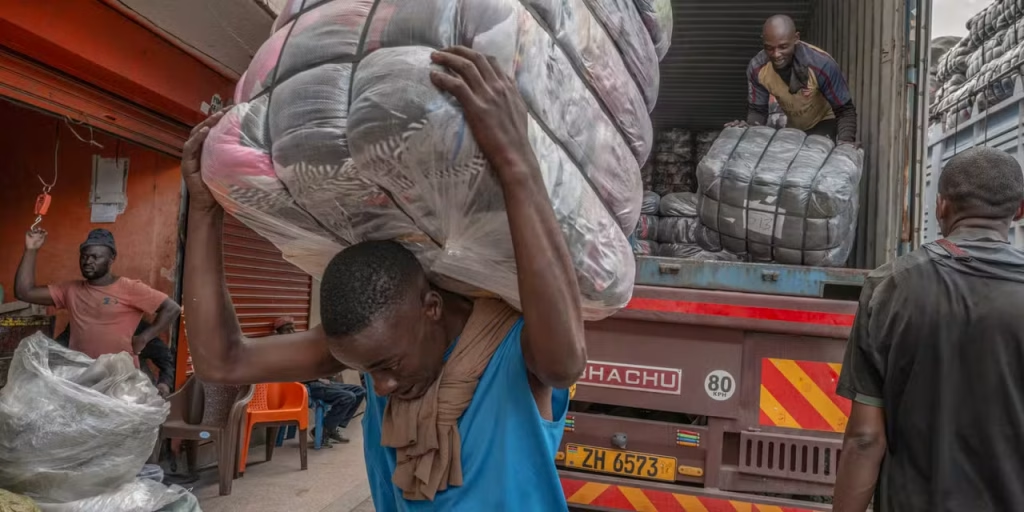
The report shows how fast fashion’s linear model plays out in countries where large volumes of used clothes end up after very short use cycles. Many of these items arrive in poor condition, and Greenpeace documents how low-quality textiles accumulate in dumpsites, are burned in open fires, or wash into rivers and the sea — with serious consequences for people and the environment.
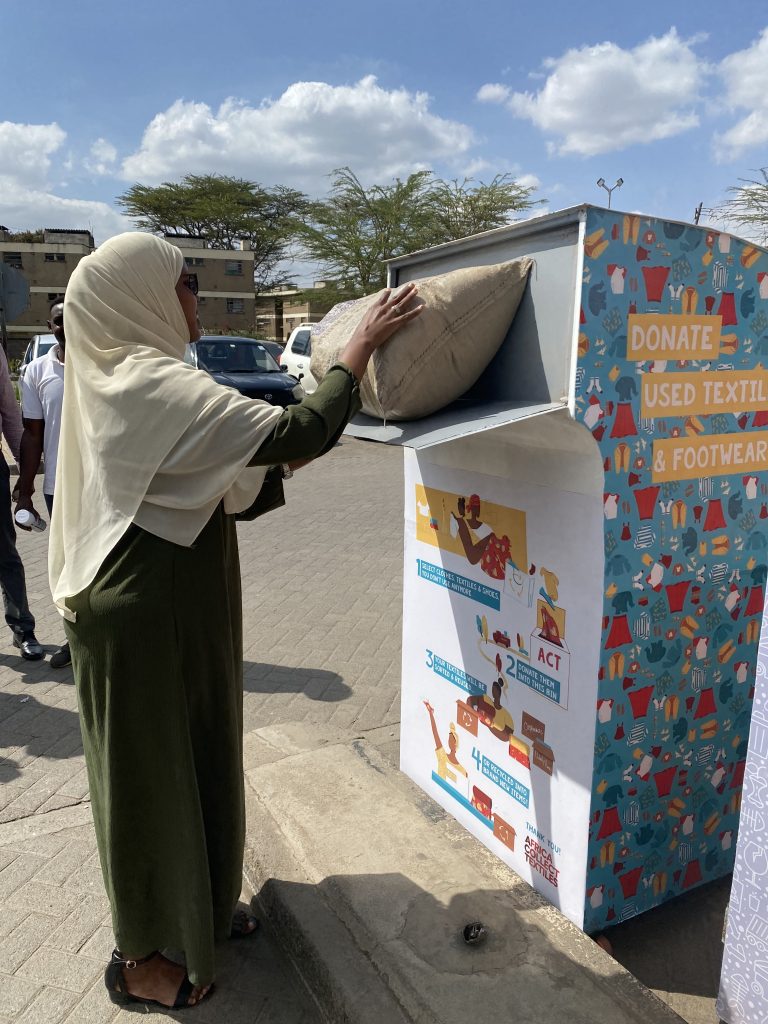
As part of the research in Kenya and Tanzania, Greenpeace met with several local initiatives working to manage imported textile waste. ACT also contributed to this project and is mentioned in the report on page 12.
Kenya, a final destination for fast fashion, is overwhelmed by secondhand clothing
September 2, 2025
ACT is featured in Le Monde for turning unsellable textiles into new products and livelihoods, showing how local action can redefine circularity in the face of a global waste crisis.
The DOEN Foundation supports ACT
August 17, 2023
With support from the DOEN Foundation, ACT diverts unwanted textiles from landfills by building local collection systems that turn waste into new possibilities.
ACT at UNEA
April 23, 2024
ACT exhibited at UNEA6, showcasing circular textile solutions and live weaving that highlighted Africa’s leadership in sustainable fashion.
Scroll to Top
Need help?
Hello! Thank you for your interest in our sustainable textile products!
Do you have a question about a product or would you like to place an order? Let us know. We are happy to discuss the details for delivery or pickup together.