ACT joins the BBC’s What in the World podcast, sharing how circular fashion and textile recovery can keep clothes in use and cut global waste.
ACT is featured in the BBC podcast What in the World, in an episode exploring whether circular fashion can help reduce the growing volume of textile waste around the world.
The episode highlights a global challenge: every second, a garbage truck full of clothing is sent to landfill, and less than 1% is recycled into new garments. One way to change this is to keep textiles in use for longer through reuse, repair, and recycling — the core ideas behind circular fashion.
From Nairobi, Whitney Speke shares how ACT works to reduce clothing waste in Africa by collecting post-consumer textiles, sorting them by hand, and keeping materials in circulation for as long as possible. She also reflects on the “30 wear challenge,” which encourages people to wear their clothes at least 30 times before replacing them.
The podcast also features Taylor Greene from Circ, a US-based company developing textile-to-textile recycling technology aimed at lowering the fashion industry’s carbon footprint.
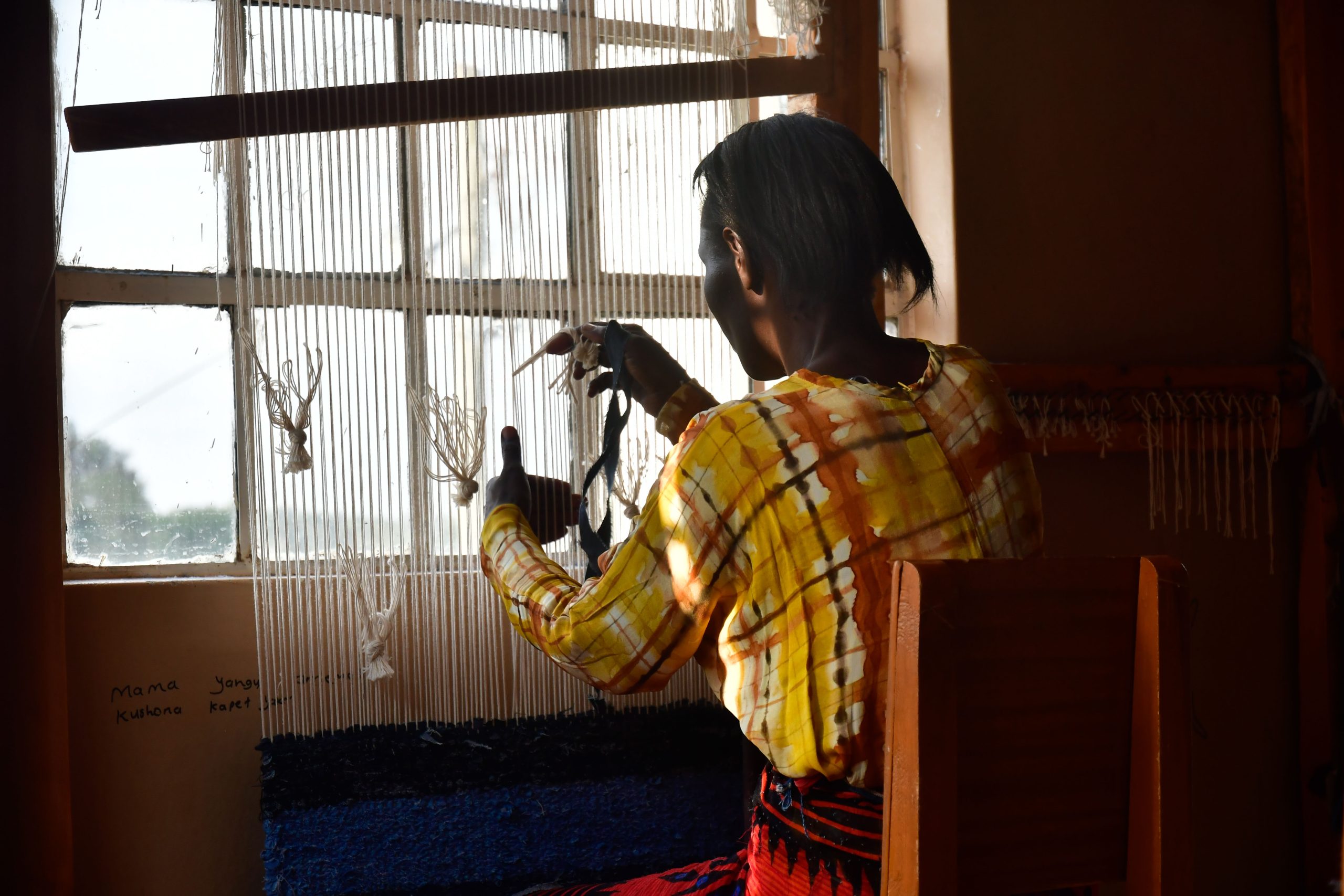
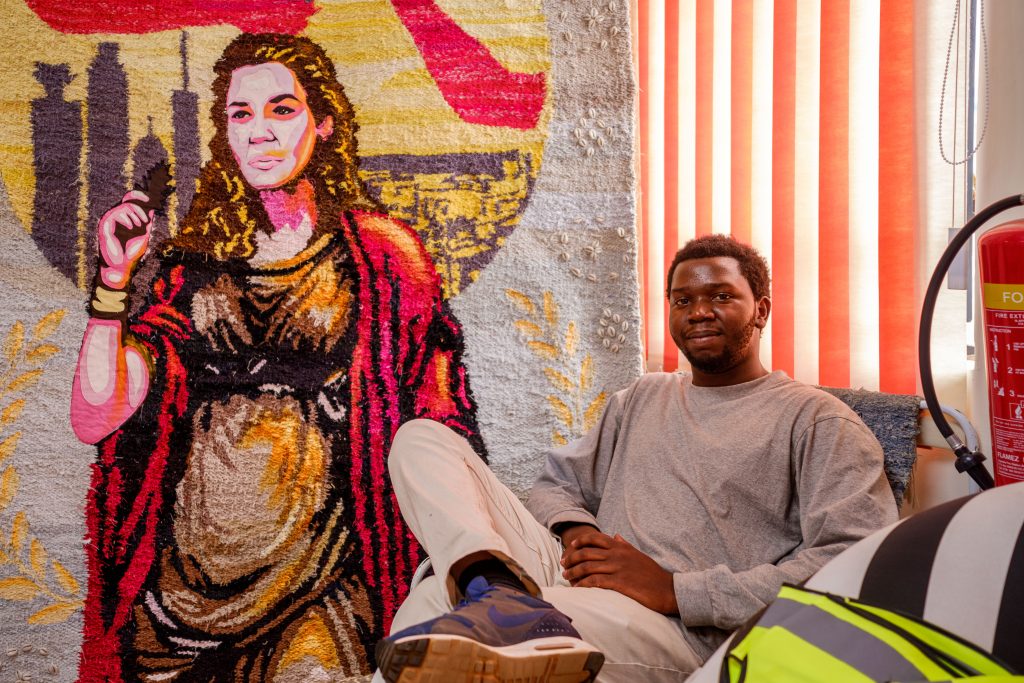
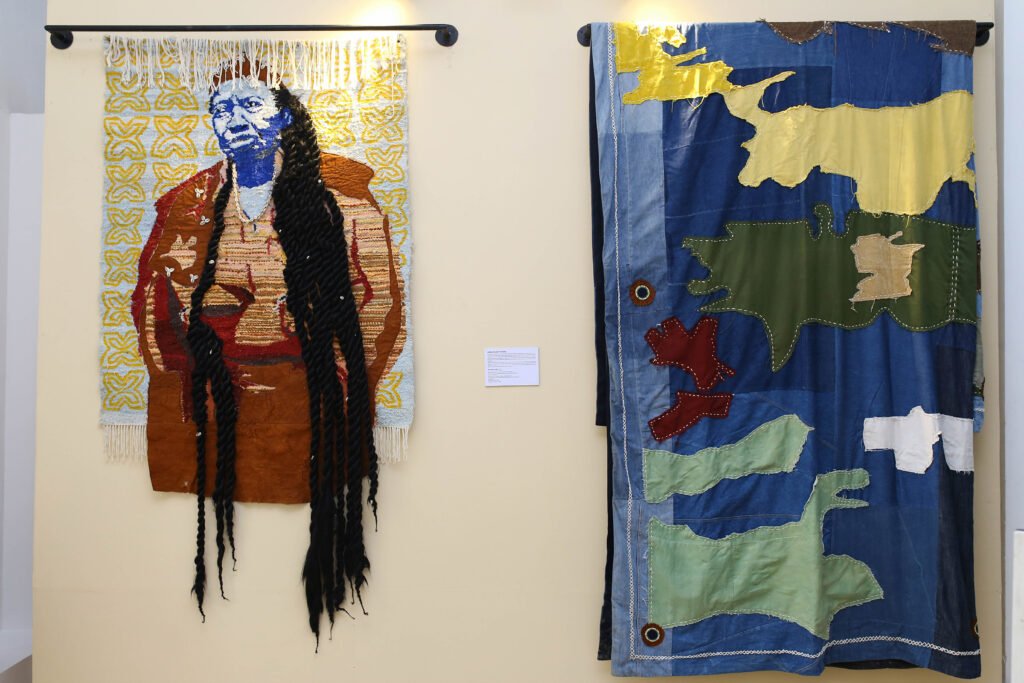
At the Human Needs Project Gala in San Francisco, ACT showcased two woven tapestries made from discarded textiles collected in Nairobi.
From Nairobi to Lagos: ACT at Woven Threads VII
September 17, 2026
From Nairobi to Lagos, ACT joined leading African circular fashion innovators at Lagos Fashion Week’s Woven Threads VII: CRAFTED, presented in partnership with Sunny Dolat and Eperu Magala.
Closing the Loop in Healthcare: ACT and Gertrude’s Recover Two Tonnes of Textiles
September 18, 2026
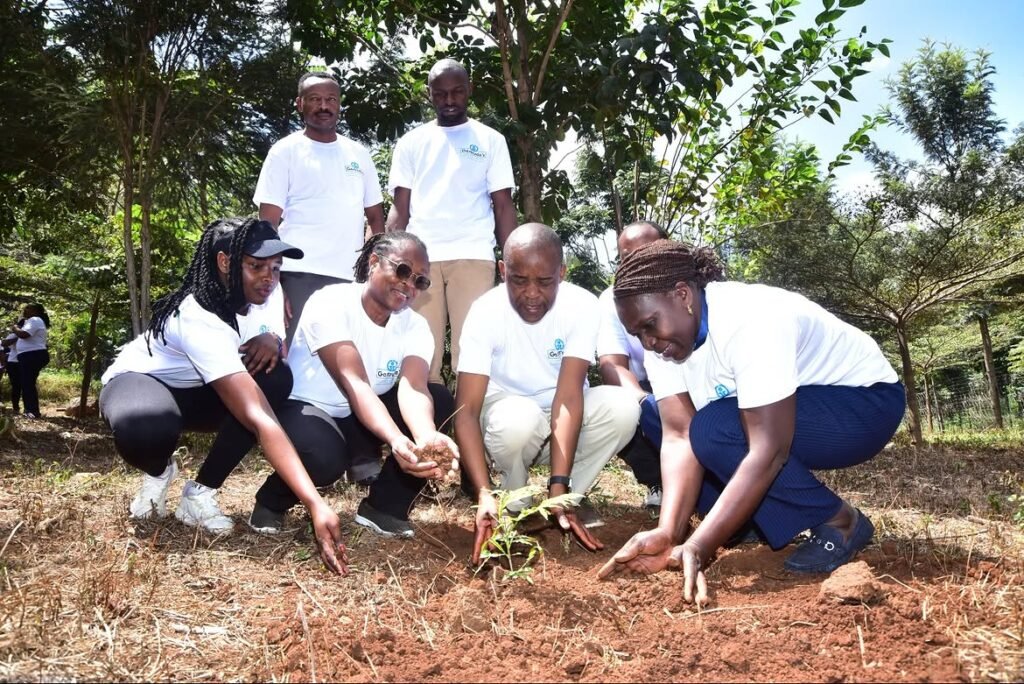
ACT’s partnership with Gertrude’s Children’s Hospital has diverted two tonnes of used linen and staff uniforms from landfill, demonstrating how circular textile recovery can become part of everyday healthcare operations.
Scroll to Top
Need help?
Hello! Thank you for your interest in our sustainable textile products!
Do you have a question about a product or would you like to place an order? Let us know. We are happy to discuss the details for delivery or pickup together.