Clothes Don’t Expire: Building Systems That Keep Textiles in Use

Clothes do not automatically become waste when their first owner no longer needs them. With the right systems, textiles can be reused, repaired, upcycled, recycled and returned to the economy.
ACT was featured by GrowthAfrica for its work building a structured approach to textile recovery in Kenya. The article highlighted how ACT partners with malls, universities, residential estates and institutions to establish accessible collection points for unwanted textiles.
Once collected, every item is sorted and graded to determine its most appropriate next use whether reuse, redistribution, upcycling or recycling. ACT also collaborates with designers and manufacturers to transform recovered materials into new products.
The feature included insights from Paul Maoncha, ACT’s Logistics and Project Manager, who explained that meaningful impact requires more than collecting textiles. It depends on systems that can grow, adapt and remain financially sustainable.
GrowthAfrica also highlighted ACT’s growth from a small, single-room operation into a warehouse-based organisation employing more than 40 full-time staff and engaging hundreds of project-based workers. Through the GrowthAfrica Accelerator Programme, ACT strengthened its financial model and investor readiness, creating a clearer pathway for future expansion and investment in fibre-to-fibre recycling technology.
Why this Matters
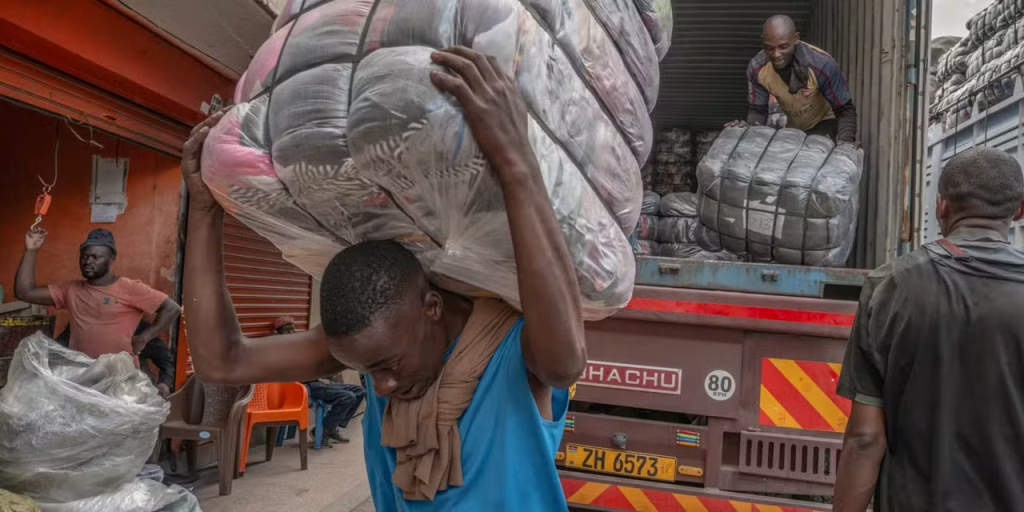
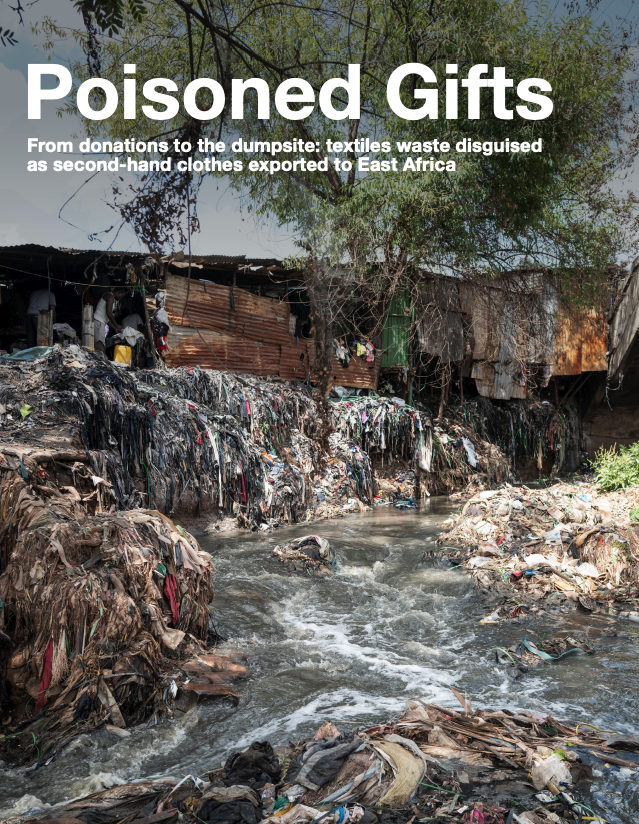
Kenya’s second-hand clothing sector supports many livelihoods, but textile recovery remains largely informal. Without organized collection, sorting and recycling systems, damaged and unsold textiles often end up in landfills and open dumpsites.
The feature demonstrates that textile recovery can deliver both environmental and economic value. Structured collection keeps textiles out of dumpsites, sorting directs materials towards their highest possible use, and upcycling creates products and employment.
It also shows why investment in local recycling infrastructure matters. Developing fibre-recovery capacity would allow Kenya to process more non-wearable textiles locally, create higher-value materials and participate more competitively in the growing global circular economy.
Related Posts
Greenpeace Germany Reports on Imported Textile Waste
ACT’s Look at Circular Fashion and its Impact