ACT on the “Suited” Podcast: From Policy to Practice in Global EPR
ACT joins Suited with Kenya Wiley to unpack global EPR, Kenya’s dual waste streams, and the systems needed to make circular fashion real.
Africa Collect Textiles is featured in an episode of Suited with Kenya Wiley, a podcast that brings together policy, business, and industry leaders shaping the future of sustainable fashion.
In this episode From Policy to Practice: Global EPR for Textiles, Sarah Njau from Green Forest Solutions and Elmar Stroomer, founder of ACT, discuss how Extended Producer Responsibility (EPR) schemes are developing worldwide and what it takes to turn policy into real infrastructure on the ground.
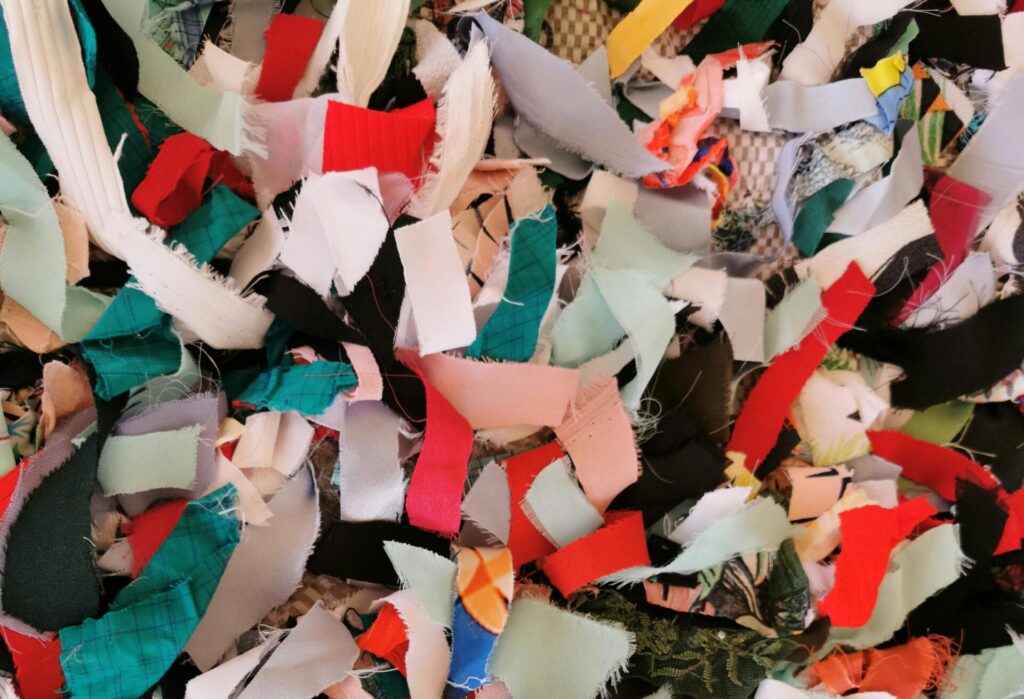
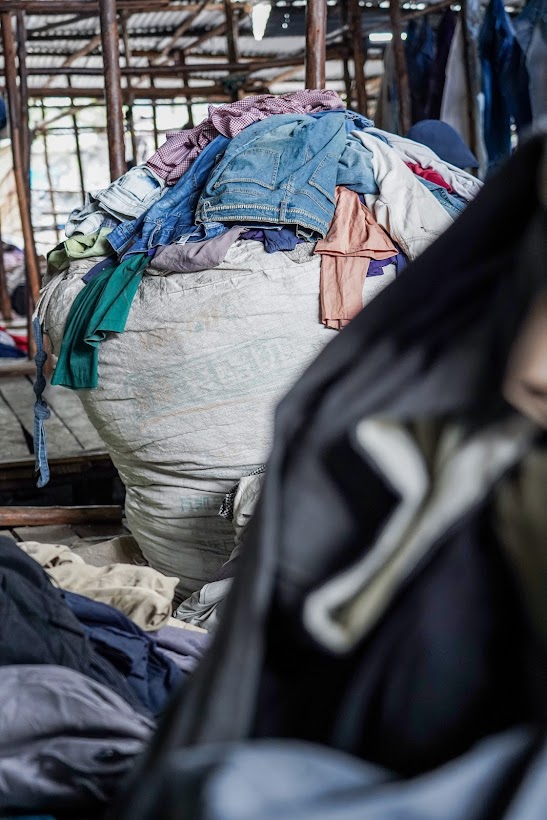
The conversation looks at Kenya’s unique position as both a textile producer and the largest importer of second-hand clothing in Africa. With two major waste streams — local manufacturing offcuts and unsellable second-hand imports — the episode explores the practical challenges of building systems for collection, sorting, and recycling.
Together, Sarah and Elmar reflect on questions that shape the future of circular fashion:
When does second-hand clothing become textile waste?
How can brands support the recovery systems in the regions most affected?
What needs to happen for EPR to fund real change, not just policy?
ACT is featured by UNSSC for driving practical, community-led circular solutions that keep textiles in use and cut waste in Kenya.
The DOEN Foundation supports ACT
August 17, 2023
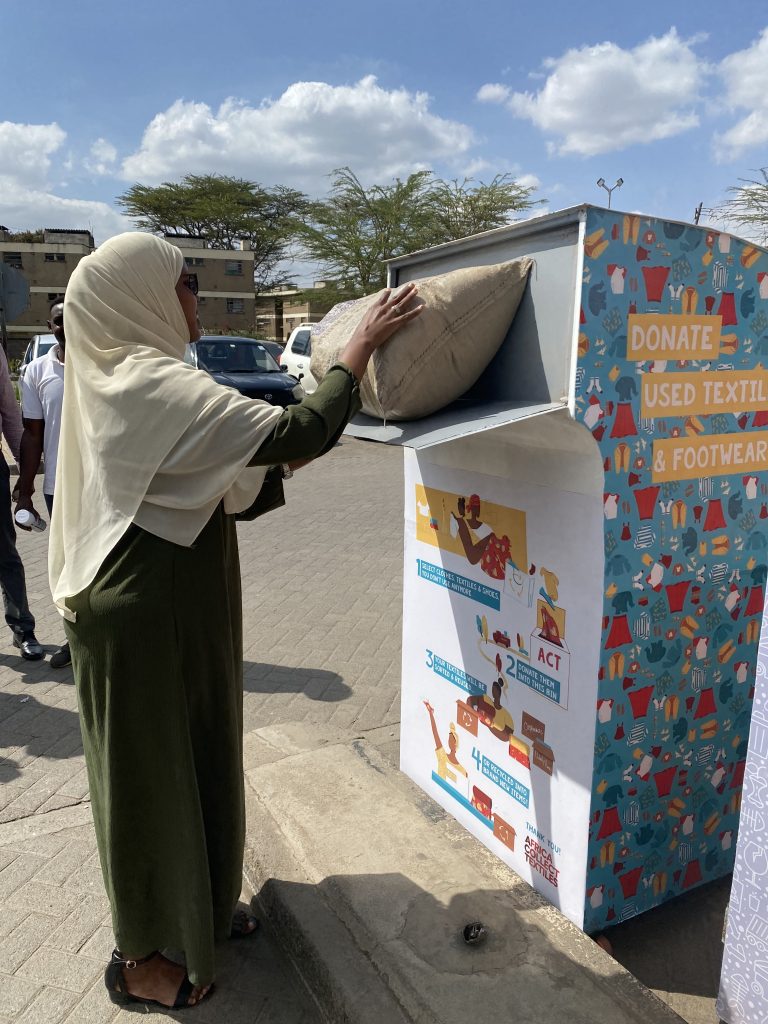
With support from the DOEN Foundation, ACT diverts unwanted textiles from landfills by building local collection systems that turn waste into new possibilities.
ACT on Kirk TV for Environmental Day
August 17, 2023
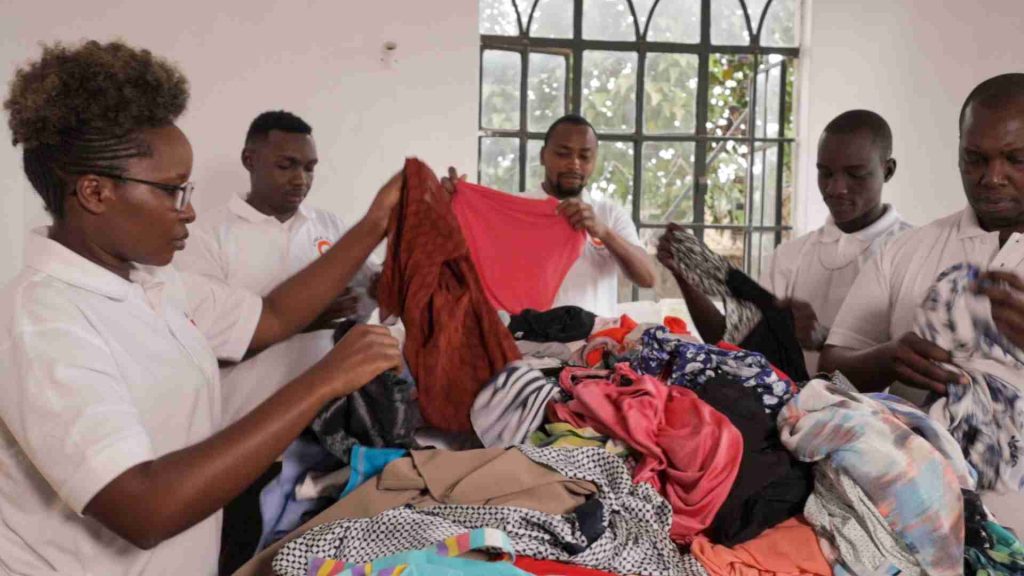
ACT joined Kirk TV to highlight how textile collection and upcycling keep clothes in use and reduce growing waste in Kenya.
Scroll to Top
Need help?
Hello! Thank you for your interest in our sustainable textile products!
Do you have a question about a product or would you like to place an order? Let us know. We are happy to discuss the details for delivery or pickup together.