Building Community Through Textile Waste Action
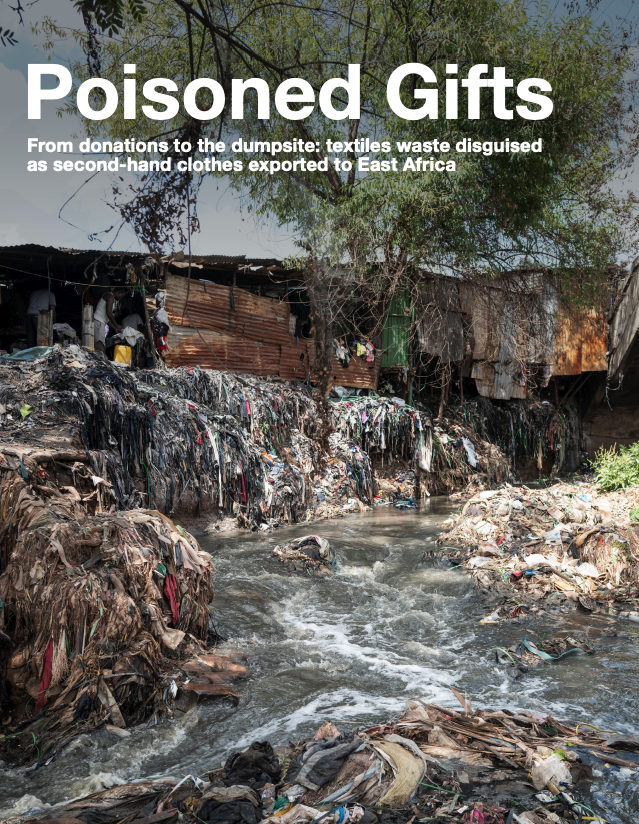
Nairobi is a city rich in fashion, creativity, and innovation, yet it faces an escalating crisis: textile waste. Kenya imports approximately 185,000 tonnes of second-hand clothing each year, with nearly 40% of it becoming waste. This excess clogs drainage systems, pollutes rivers, and contributes to environmental degradation. The fast fashion industry worsens the issue by consuming vast amounts of resources. Producing a single cotton T-shirt requires around 2,700 liters of water. Additionally, many garments contain synthetic fibers that shed microplastics into waterways with every wash, causing long-term harm to ecosystems. However, as awareness grows, more people are embracing recycling and upcycling, reducing waste while fostering economic opportunities within the sustainable fashion sector.
Community-Led Solutions to Reduce Waste
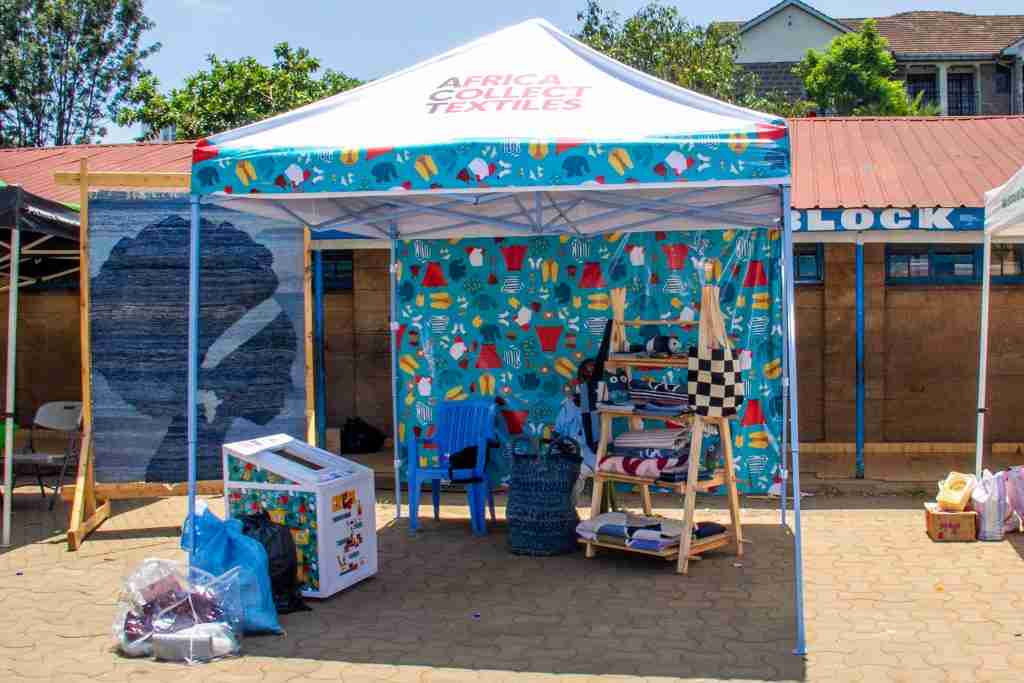
Local communities and organizations are leading efforts to address this challenge. Estates like Four Ways Junction regularly organise clothing drives to extend the lifecycle of the residents’s used garments, with so far 915kgs collected from monthly clothing drives with ACT. The Kilimani Project Foundation has also made a significant impact through its monthly clothing drives, held every third Sunday, which in collaboration with ACT has helped collect and divert 5,431 kg of textile waste since 2021. These initiatives not only mitigate waste but also create job opportunities, particularly for artisans and small businesses focused on up-cycling. Universities like Strathmore University and companies like KCB bank are stepping up by integrating sustainability programs into their curriculums and corporate strategies to encourage responsible fashion consumption. With more industry and governmental support, Nairobi can expand its recycling capabilities and transition toward a circular fashion economy.
How You Can Make a Difference
Everyone has a role to play in this transformation. Instead of discarding clothing, individuals can donate to textile recycling companies like Africa Collect textiles, participate in clothing swaps, or support brands committed to sustainability. Schools can educate students on mindful consumption, while businesses can incorporate eco-conscious practices like using discarded fabrics and dead-stock as raw materials into their operations. Consumers wield influence by advocating for stronger environmental policies and supporting ethical fashion brands. Small, intentional changes in daily habits can create a ripple effect, reshaping Nairobi into a city where fashion is both stylish and environmentally responsible. By working collectively, we can make sustainable fashion the standard, reduce textile waste, and safeguard our planet for future generations.
Related Posts
Is Circular Fashion the Answer to Clothes Waste?

ACT Selected for the E4Impact Accelerator Programme