
Threads of Opportunity: How ACT Is Creating Green Jobs

Textile waste is an environmental challenge, but with the right systems, it can also create jobs, strengthen livelihoods and open new pathways for entrepreneurship.
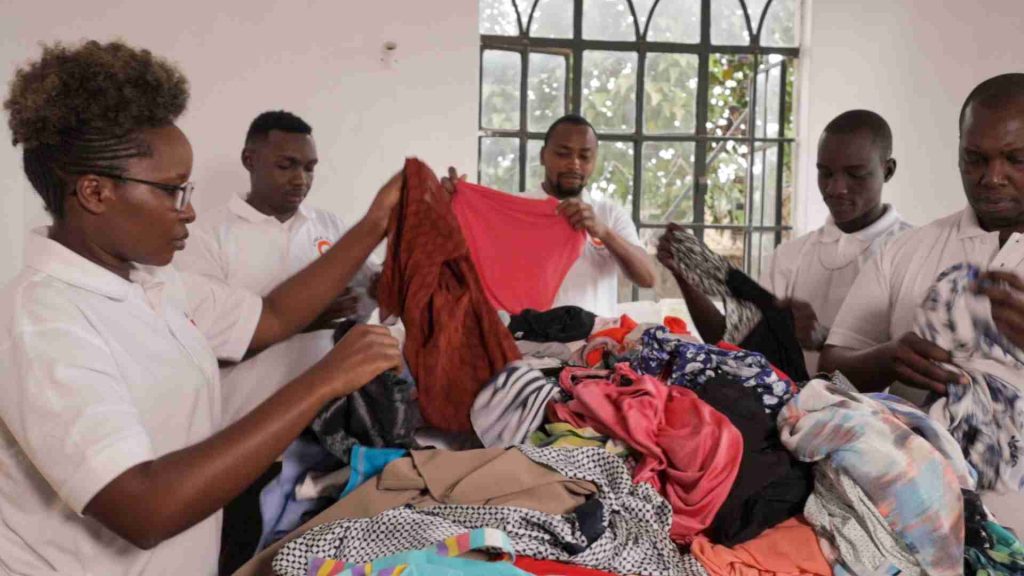
Africa Collect Textiles was featured by The Borgen Project as one of the organizations driving textile recycling and green job creation in Kenya. The article highlighted ACT’s work collecting unwanted clothing and footwear through public collection points and institutional partnerships before sorting the materials for reuse, upcycling or recycling.
The feature reported that ACT has created more than 120 direct and indirect jobs, mainly for women. It also highlighted ACT’s work recovering uniforms, textile offcuts and unsold clothing from Nairobi’s Gikomba Market; materials that might otherwise be burned, dumped or sent to landfill.
Through its collection, sorting and upcycling systems, ACT transforms recovered textiles into products such as rugs, toys and yarn. The organization is also working towards installing mechanical recycling equipment, with a longer-term ambition to expand local fiber recovery across Africa.
Why this Matter
Textile recycling can address environmental challenges while creating economic opportunities for people who are often excluded from formal employment. ACT’s model connects waste recovery with steady income opportunities for women, young people and workers within Nairobi’s informal economy.
The feature shows that circularity is not only about keeping materials out of landfills. It is also about building inclusive value chains in which discarded textiles support local production, skills development, entrepreneurship and dignified livelihoods.
Expanding Kenya’s mechanical and fibre-recycling capacity would allow more textiles to be processed locally, create additional green jobs and strengthen the country’s contribution to a more circular African textile industry.
Related Posts
ACT on Kirk TV for Environmental Day
ACT Featured by Deutsche Welle: Turning Textile Waste Into Something Useful