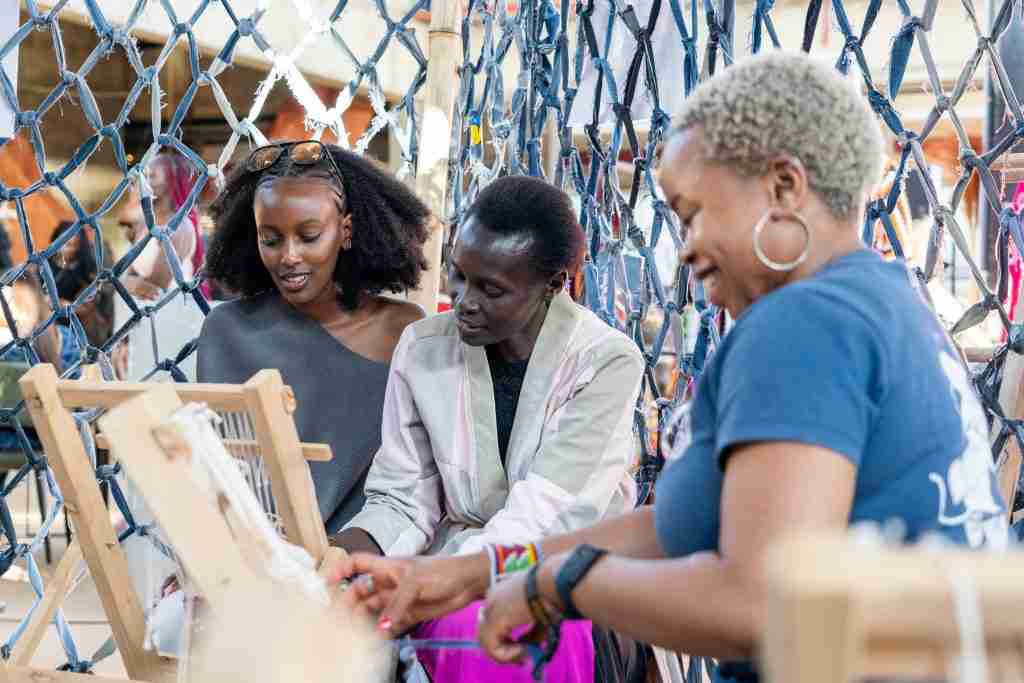
Nairobi Design Week 2025 carried the powerful theme We Are The Ancestors, a tribute to the past and a call to action for the future. This milestone 10th edition was a celebration and reflection of Kenya’s diverse design landscape, uniting creatives, thinkers, and changemakers to push the boundaries of sustainable innovation.
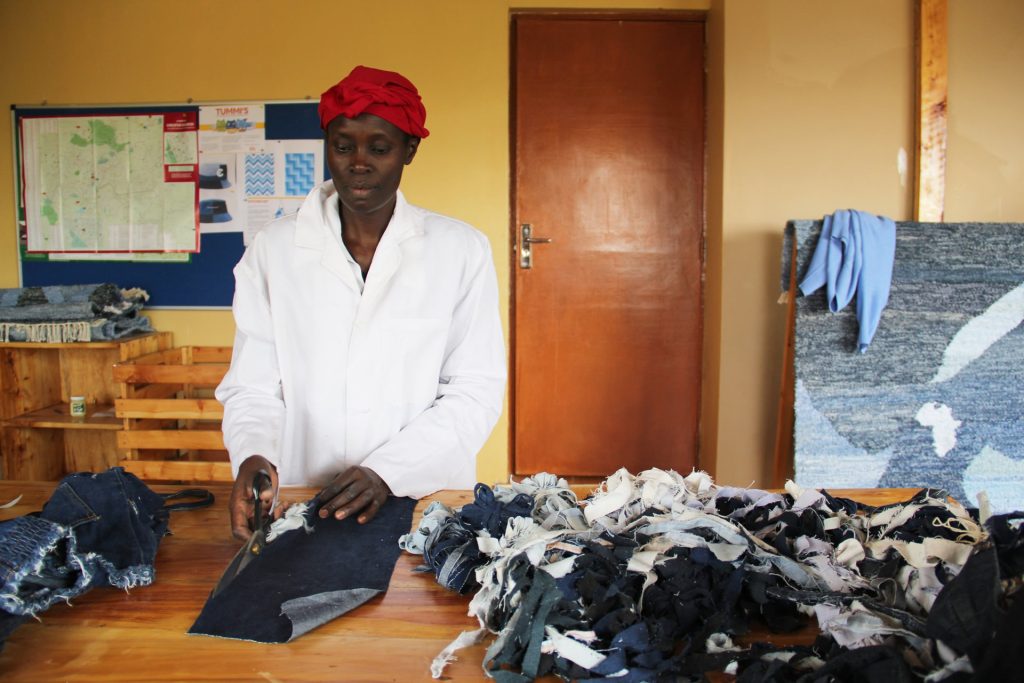
For us, participating in NDW wasn’t just about showcasing our work, it was about demonstrating how textile recycling and upcycling connect us to both our heritage and our future. Just like our ancestors found resourceful ways to use every material available, we are reviving that spirit by ensuring textiles don’t go to waste but instead become valuable resources for new creations.
Reimagining Textile Waste at NDW
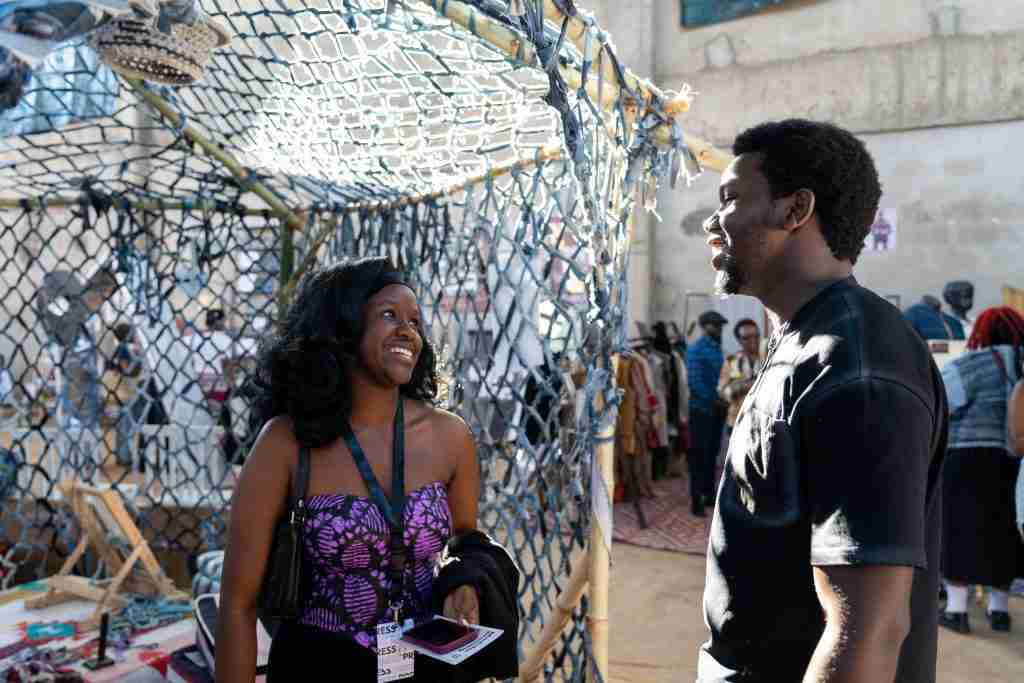
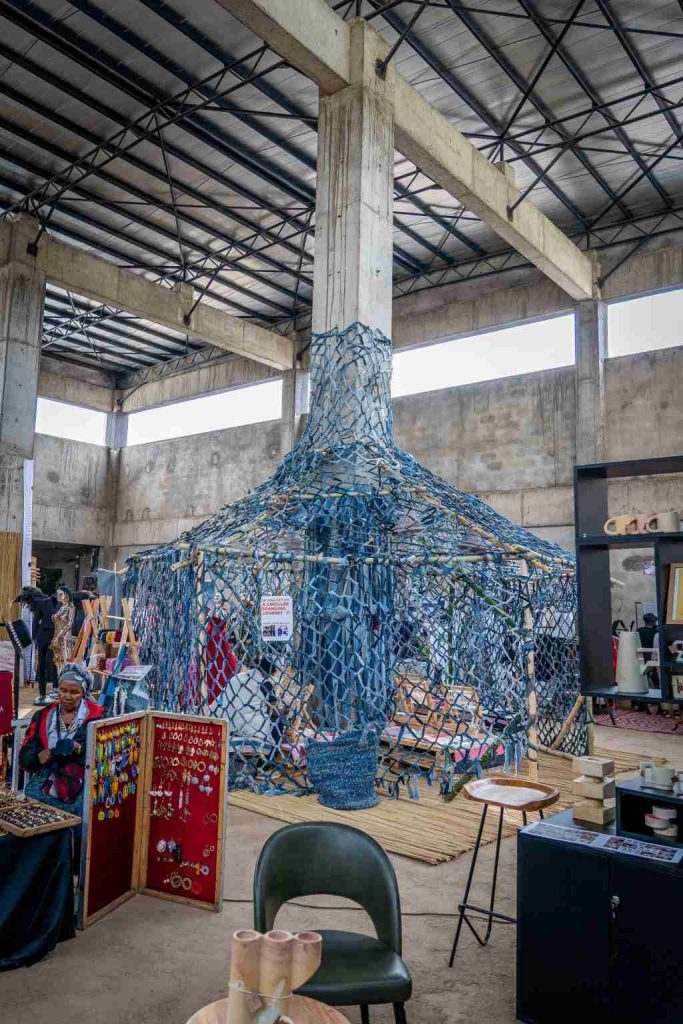
At the heart of ACT’s presence at NDW stood more than just a tent, it was a statement of history, culture, and sustainability. Inspired by the traditional grass-thatched houses once found across East Africa, our installation reimagined this ancestral architecture using discarded denim. The circular shape and woven textures symbolized the ingenuity of our ancestors, who built homes that were sustainable, resourceful, and deeply connected to the land. In the same way, ACT transforms discarded fabrics into something purposeful, proving that waste can be the foundation of something new.
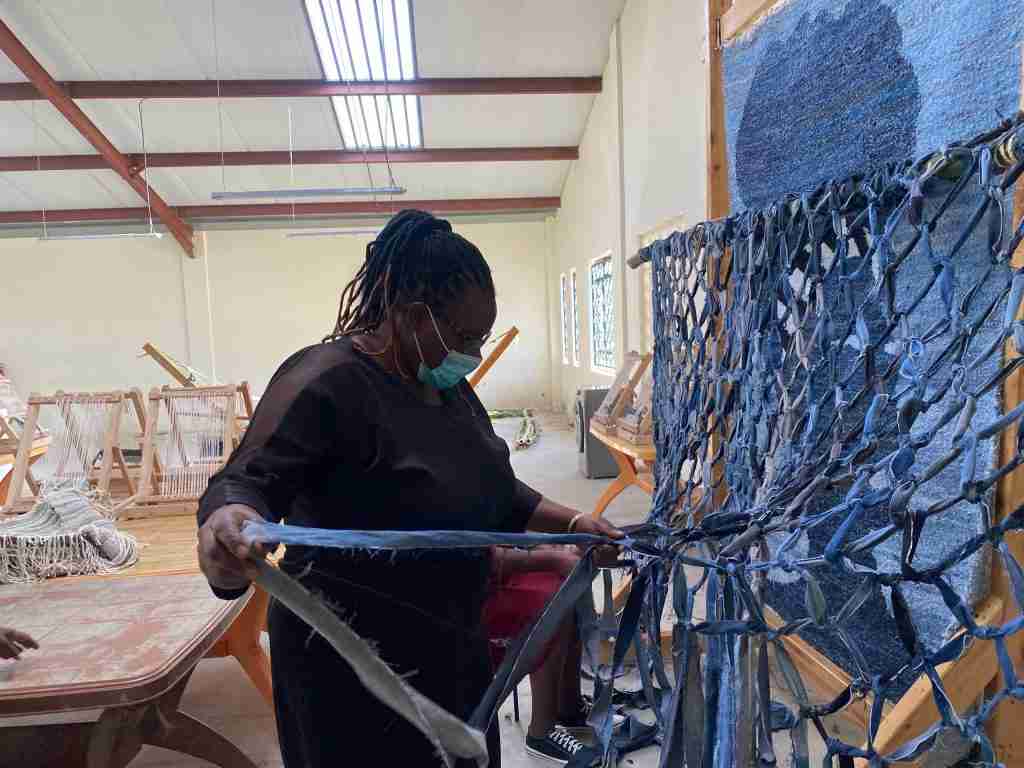
This installation, made from 223 pairs of jeans, was woven together with bamboo and other eco-friendly materials by artist Eperu Magala and a team of Kenyan weavers. It took two weeks to construct, merging heritage with innovation. Just as a circular economy ensures that materials remain in use for as long as possible, our installation embodied that principle—giving textiles a second life while carrying forward the wisdom of the past. It was more than art; it was a vision of a future where sustainability and culture go hand in hand. The very essence of upcycling—giving materials a second life—mirrors the way our ancestors maximized every resource, ensuring that nothing went to waste. This installation was more than an artistic expression; it was a call to rethink how we use, discard, and regenerate the materials around us.
Kenya’s Creative Space: A Hub for Regenerative Fashion
One of the most inspiring takeaways from NDW was seeing the growing influence of regenerative fashion in Kenya. Designers are moving beyond trends and embracing natural dyes, discarded textiles, and upcycling techniques to craft uniquely African fashion pieces.
This year’s event also highlighted how sustainability is influencing other industries, from politics and hospitality to tourism and event planning. When a last-minute venue change nearly disrupted NDW, exhibitors quickly adapted, proving the resilience, flexibility, and innovation that define Kenya’s creative community. This mindset is what will continue to drive circular fashion forward, not just in Kenya, but across Africa.
Building a Circular Fashion Future
NDW 2025 reinforced an important truth: African creativity is a force for change. With Africa being the least polluted continent and home to the world’s youngest population, we have the unique opportunity to lead the global shift toward circular economies.
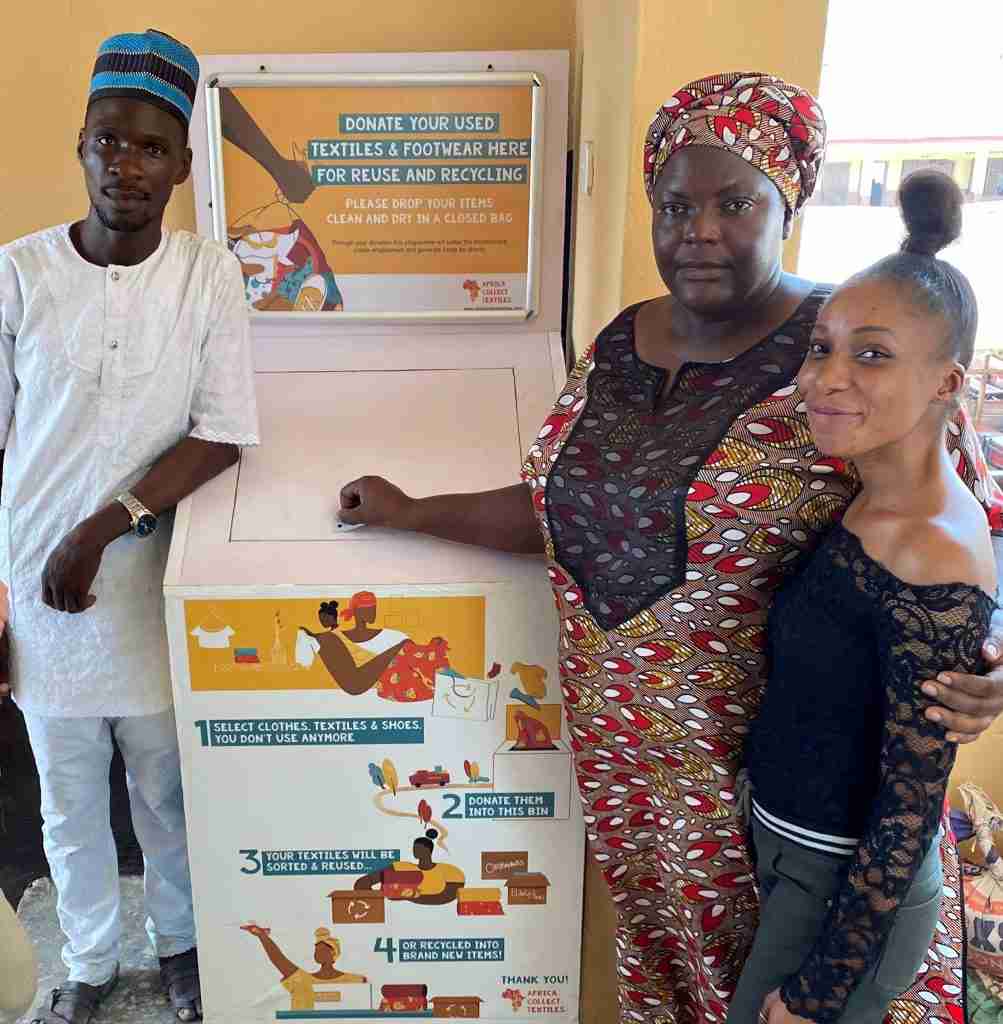
At ACT, we believe in creating ecosystems that make fashion circular. By leveraging natural resources, integrating digital art, and strengthening community-driven initiatives, Kenya can set a global standard for sustainable design. Events like NDW spark essential conversations and inspire groundbreaking solutions to reshape the fashion industry.