Learning to See Waste Differently: Students Turn Textiles into Possibility
What if the next generation learned to see textile waste not as something to discard, but as material for creativity, enterprise and change?
Africa Collect Textiles was featured by Nation Africa in a story highlighting students learning about Kenya’s textile-waste challenge and transforming recovered materials through upcycling.
The activity forms part of the Nairobi Circular Design Hub project, a collaboration between Kenyatta University, Africa Collect Textiles, the Estonian Academy of Arts’ DiMa Lab and SEI Tallinn. The project seeks to establish a circular design hub in Nairobi that will map, analyse and repurpose textile production waste while strengthening Kenya’s local creative sector.
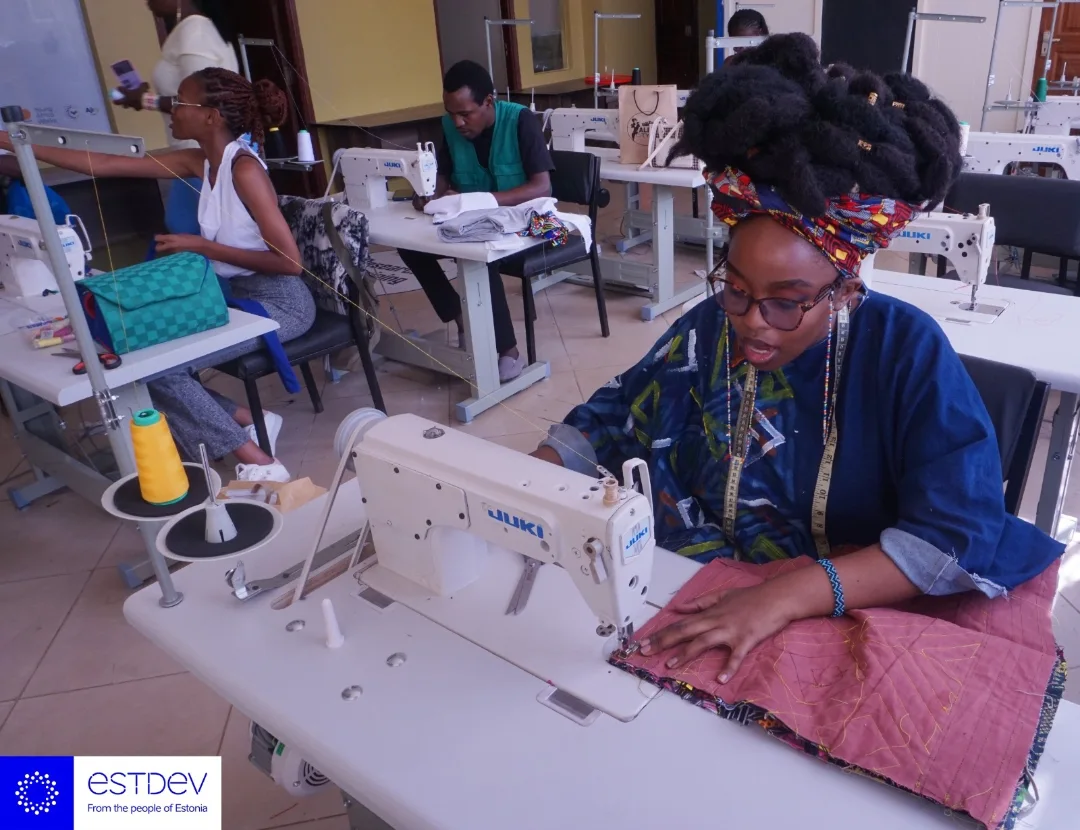
Working alongside slow-fashion educator Janet Chemitei, the students explored the journey of clothing beyond the wardrobe and learned how unwanted textiles can be redesigned into useful products. Through practical activities, they developed sewing and upcycling skills while gaining a clearer understanding of circular design and responsible production.
The wider project will provide practical training in sewing, circular design, business modelling and marketing. It aims to equip young designers and students with the skills, mentorship and exposure needed to establish sustainable fashion brands and successfully enter the market.
Why this Matter
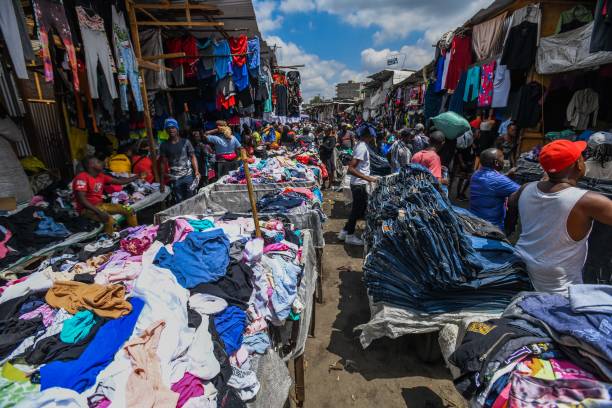
Kenya is Africa’s largest importer of second-hand clothing, while significant amounts of textile production waste are also discarded or incinerated. Addressing this challenge requires better information on textile-waste flows, practical recovery systems and designers who can transform discarded materials into valuable products.
Through the Nairobi Circular Design Hub, SEI Tallinn and Kenyatta University will map industrial textile waste in Nairobi and identify opportunities for recovery and reuse. These findings will inform training, product development and sustainable production at the hub.
The project goes beyond short-term training. It supports research, international knowledge exchange, entrepreneurship and job creation while laying the foundation for a stronger circular design ecosystem in Kenya.
After the project, the hub will be integrated into Kenyatta University’s teaching and research activities. The Estonian Academy of Arts’ DiMa Lab will continue providing technical expertise, helping ensure that circular design and upcycling practices remain embedded in education and the local textile industry.
Related Posts
ACT on the “Suited” Podcast: From Policy to Practice in Global EPR
From Nairobi to Lagos: ACT at Woven Threads VII