ACT Featured on the Circular Economy Podcast

ACT joins the Circular Economy Podcast, with founder Elmar Stroomer sharing how local textile recovery in Kenya and Nigeria creates reuse, upcycling, and new opportunities.

Catherine Weetman spoke with Elmar Stroomer, founder of Africa Collect Textiles, on the Circular Economy Podcast. The conversation explores how ACT collects used textiles in Kenya and Nigeria for reuse, recycling, and upcycling.

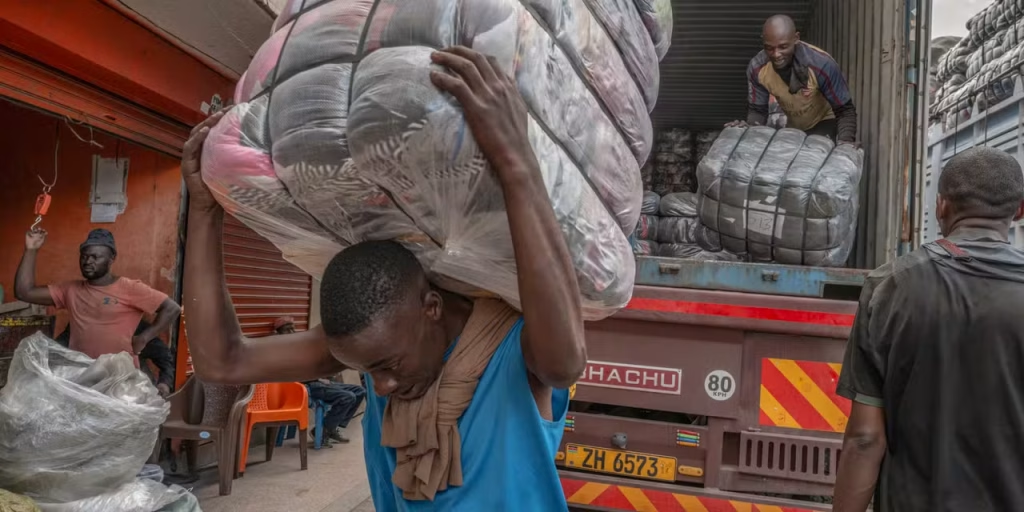
Elmar shares how his background in circular design and his years living in Kenya and Uganda helped shape ACT’s work and growth. Today, ACT operates more than 40 collection points in Nairobi and Lagos, distributes free and affordable clothing to underprivileged communities, and provides employment to over 50 people who collect, sort, and upcycle fashion waste, used uniforms, and off-cuts into new products such as rugs, backpacks, and toys.

The episode also looks at how imported fashion waste from the global north has affected Kenya’s textile sector, and why ACT is focused on creating circular systems for locally produced textiles. Elmar discusses several initiatives, including repurposing workshops, services for resellers, and new ways of using end-of-life clothing in local businesses.
Share the Post:

Related Posts

Beyond the Wardrobe: Following the Afterlife of Waste

September 17, 2026
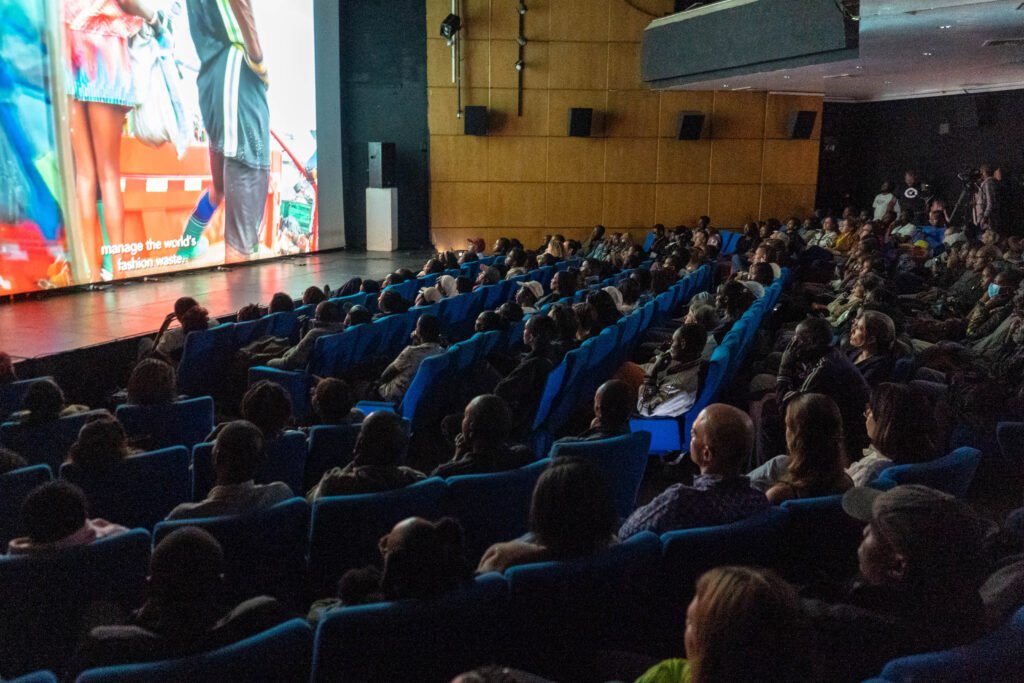
On World Environment Day, ACT showcased ‘The Afterlife of Waste’, developed in partnership with Unplug Africa, Janet Chemitei and presented a textile-waste installation created with artist Eperu Magala at Alliance française Nairobi.

Kenya, a final destination for fast fashion, is overwhelmed by secondhand clothing

September 2, 2025
ACT is featured in Le Monde for turning unsellable textiles into new products and livelihoods, showing how local action can redefine circularity in the face of a global waste crisis.

New Partnership Between ACT and Zola Afrique

February 12, 2022
ACT and Zola Afrique join forces to boost textile recovery and circular fashion in Kenya, raising awareness, hosting new collection points, and turning used textiles into renewed products through local collaboration.
Scroll to Top