Waste Wise Cities
This year’s World Clean Up Day, hosted by UN-Habitat, spotlighted one of the fastest-growing and most overlooked waste challenges: textile and fashion waste.
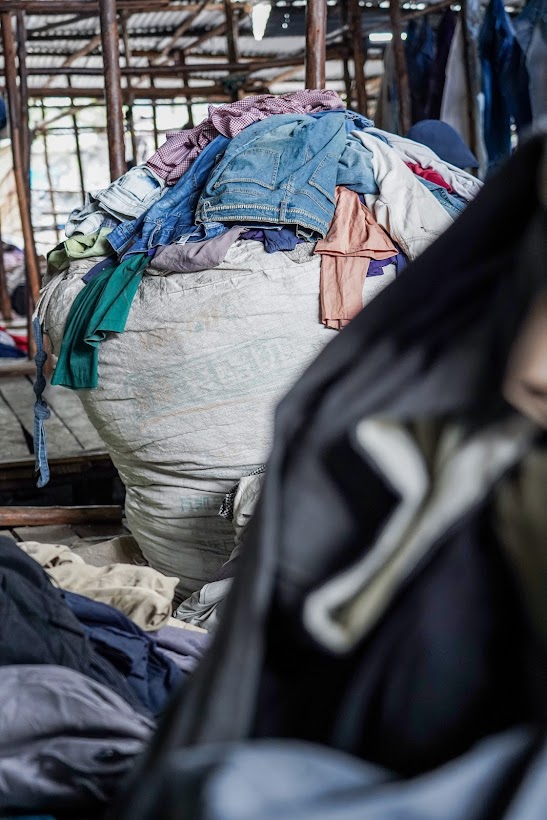
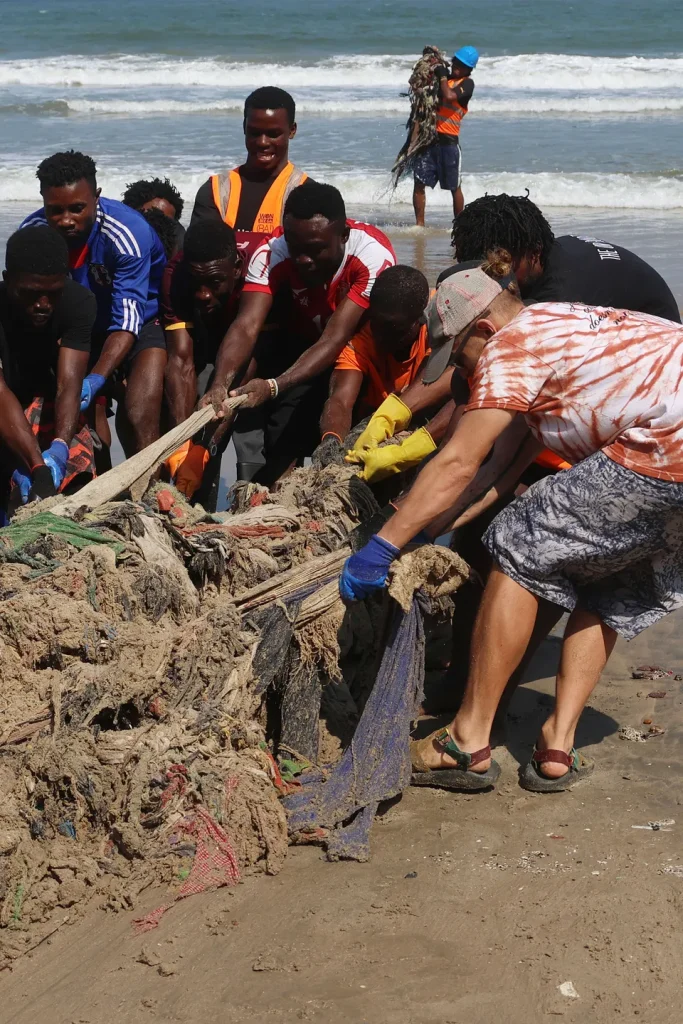
For decades, Africa has carried the weight of secondhand clothing imports. As Michael Akumi-Ameyam reminded the audience, in Ghana alone, waste infrastructure can only handle 30% of the incoming textiles, leaving the remaining 70% to be buried in landfills or burnt. The reality is not much different across other African cities.
Learning from Global Solutions
While Africa struggles under the growing piles of discarded fashion, there are examples showing what’s possible when governments, citizens, and industries act together.
- Shanghai, for instance, has pioneered waste classification systems that incentivize citizens with carbon credits via QR codes for recycling.
- Globally, new Extended Producer Responsibility (EPR) laws are taking root, requiring brands to take financial and operational responsibility for the waste their products generate.
- Crucially, these shifts highlight that systemic solutions rely on regulation, strong partnerships, and citizen involvement.
Nairobi’s Reality
Here at home, areas like Kamukunji, Gikomba, and Dandora remain heavily burdened by unmanaged textile waste. These are not just dumping grounds — they are economic hubs, communities, and ecosystems waiting for circular systems to unlock their potential. The pressing question is: how do we work together to transform them into waste-wise, circular systems?
ACT’s Contribution
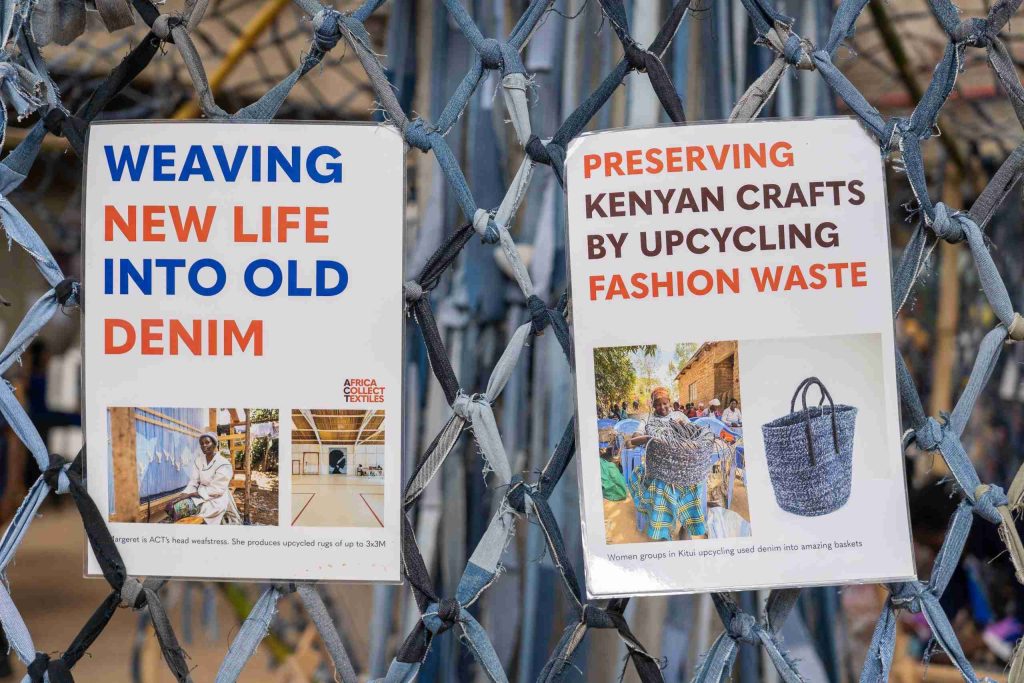
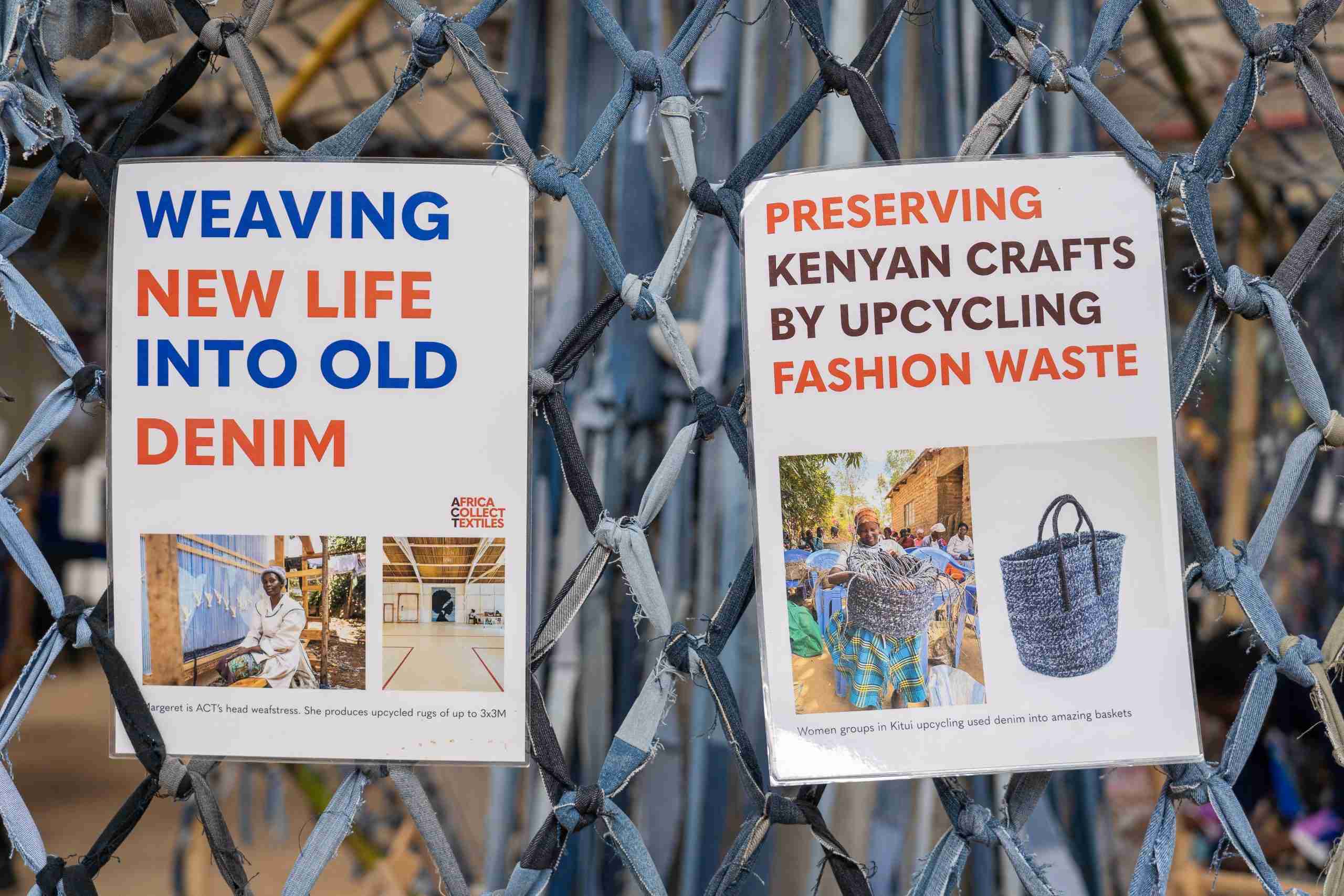
At Africa Collect Textiles (ACT), we were honored to contribute to this year’s World Clean Up Day conference by showcasing our upcycled rugs — proof that discarded textiles can be reborn as symbols of craftsmanship, cultural preservation, and green jobs.
Each piece represented more than recycled fabric: it was a reminder that circular design and local innovation are powerful tools in addressing the textile waste crisis, while also building new opportunities for artisans, communities, and industries.
Looking Ahead
The vision of making Nairobi a Waste Wise City is ambitious, but achievable. It will take strong policies, bold partnerships, and citizen action. At ACT, we are proud to be part of this transformation — building collection systems, preserving indigenous skills like weaving, and creating real pathways for Africa’s circular fashion future.
Together, we can ensure textile waste is no longer a burden, but a resource.
Related Posts
Rethinking Textile Waste in Kenya
ACT Featured in Vogue Business