Africa Collect Textiles is righting the wrongs of the oppressive Second hand market
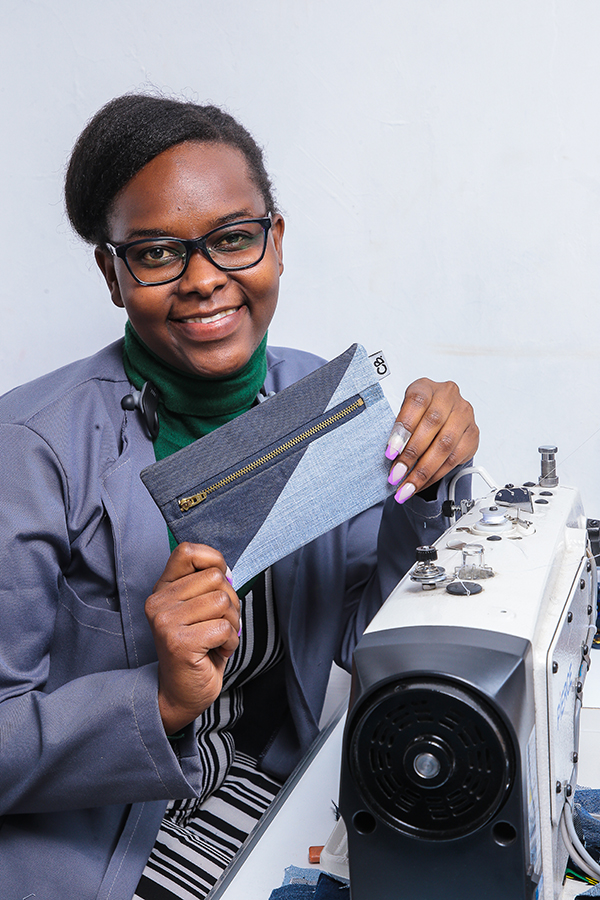
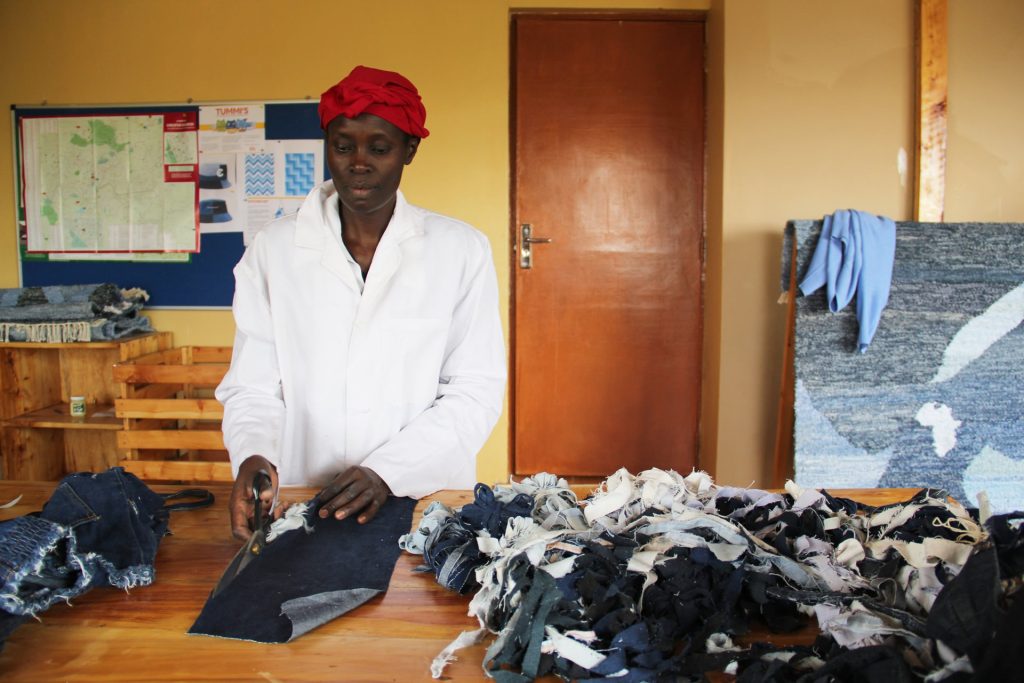
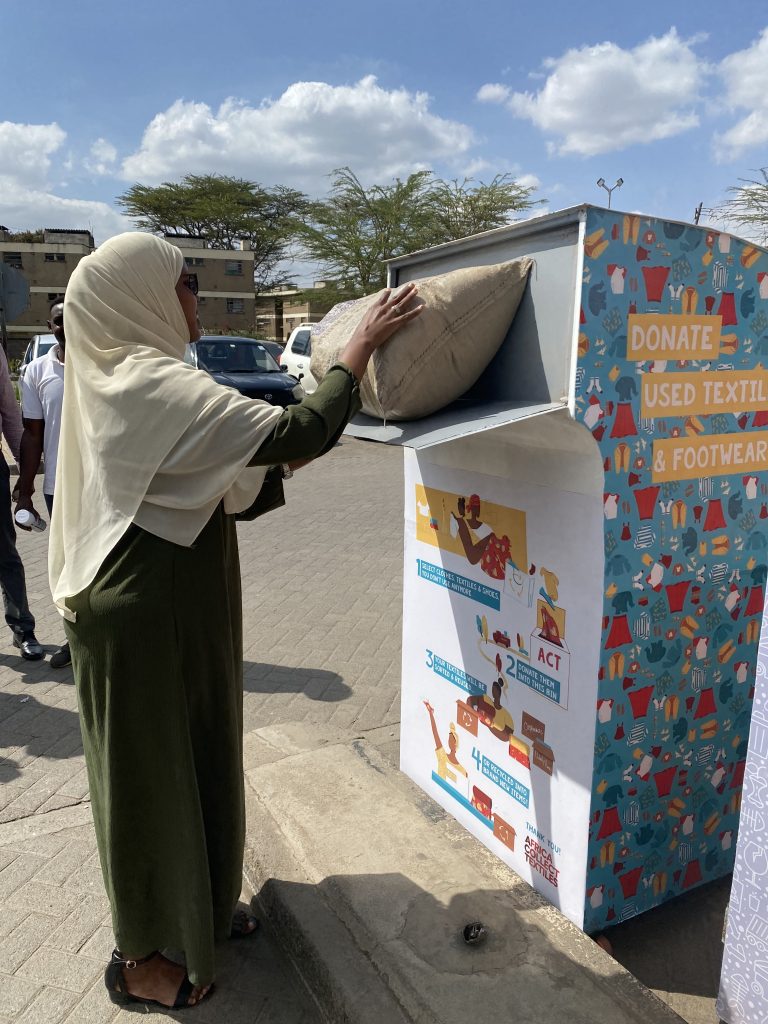
ACT was featured in AnnKm in an article by Hillary LeBlanc exploring the impacts of the global second-hand clothing trade. The feature highlights ACT’s work in textile collection, sorting, recycling, upcycling, and building circular textile systems in Kenya while creating green jobs and reducing textile waste.
The article follows ACT co-founders Alex Musembi and Elmar Stroomer as they discuss the environmental and social impacts of exported second-hand clothing, the lack of textile recycling infrastructure in many African countries, and the need for more responsible global systems.
The piece highlights ACT’s journey from a small collection initiative to a growing circular textile organization with 40 collection points across Nairobi. It also explores ACT’s work in textile collection, sorting, reuse, recycling, upcycling, women-led mini bale distribution programmes, and traditional weaving initiatives that create dignified green jobs and extend textile lifecycles.
Why this Matters
The article contributes to important conversations around textile justice, Extended Producer Responsibility (EPR), and the role African countries play within the global second-hand clothing economy. It also highlights the importance of investing in local circular infrastructure, supporting waste workers, and building systems that reduce textile pollution while creating sustainable livelihoods.
ACT Featured in TexFash: Building a Model Designed for Africa
April 25, 2022
TexFash features ACT on why textile recovery must be designed for Africa’s realities, not copied from European models.
The DOEN Foundation supports ACT
August 17, 2023
With support from the DOEN Foundation, ACT diverts unwanted textiles from landfills by building local collection systems that turn waste into new possibilities.
Redefining Success: Why the Future Is Circular
September 17, 2026
ACT joined Kiki Boreel on ‘The Green Times’ Redefining Success’ podcast to discuss its journey, circular textile model and vision for a future where business success benefits both people and the planet.
Scroll to Top
Need help?
Hello! Thank you for your interest in our sustainable textile products!
Do you have a question about a product or would you like to place an order? Let us know. We are happy to discuss the details for delivery or pickup together.